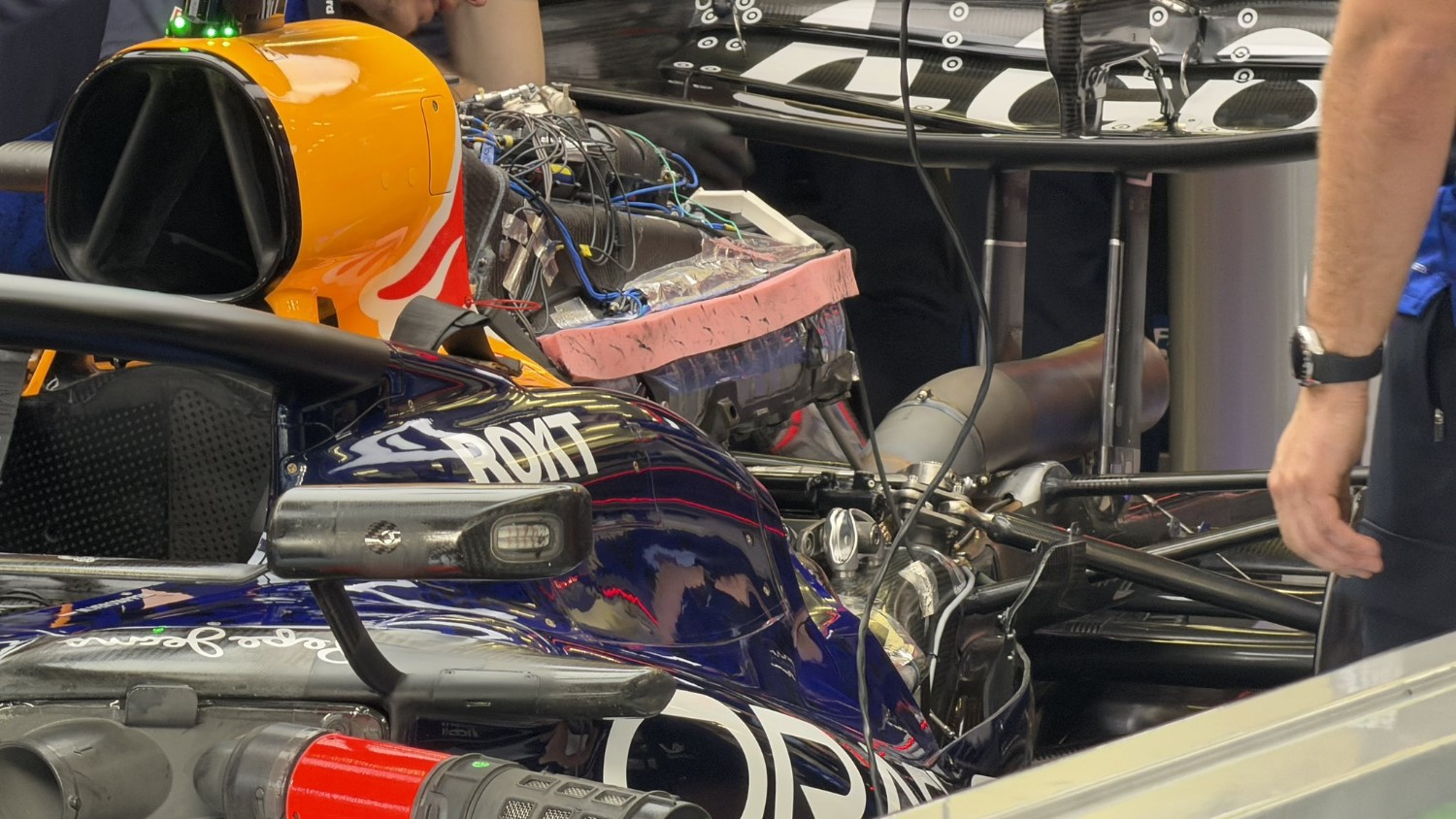
Formula 1 News: Is F1 stuck with the flawed 2026 engines for 5 full years?
(GMM) Formula 1 could be heading back towards simpler engines – including a possible V8 concept – as the FIA moves quickly to define the next regulation cycle beyond the 2026 era.
Amid growing criticism of the current hybrid-heavy rules, Nikolas Tombazis admits the sport may have overestimated the shift towards electrification.
“When we were discussing the current regulations, the car companies told us that they would never build an internal combustion engine again,” said the FIA’s technical chief.
“They wanted to phase it out and be fully electric soon.”
“Obviously that didn’t happen. This is not to underestimate the importance of electrification worldwide, but it did not take place to the extent that was claimed.”
The FIA now wants to avoid repeating what many see as a flawed compromise for 2026.
“We mustn’t let ourselves be held hostage by the car manufacturers,” Tombazis said.
“Of course, we want them involved. But we mustn’t be vulnerable if they decide to leave.”
Discussions about the next engine formula are already underway – unusually early, but necessary given long development cycles.
“Developing an engine takes a very long time,” Tombazis explained.
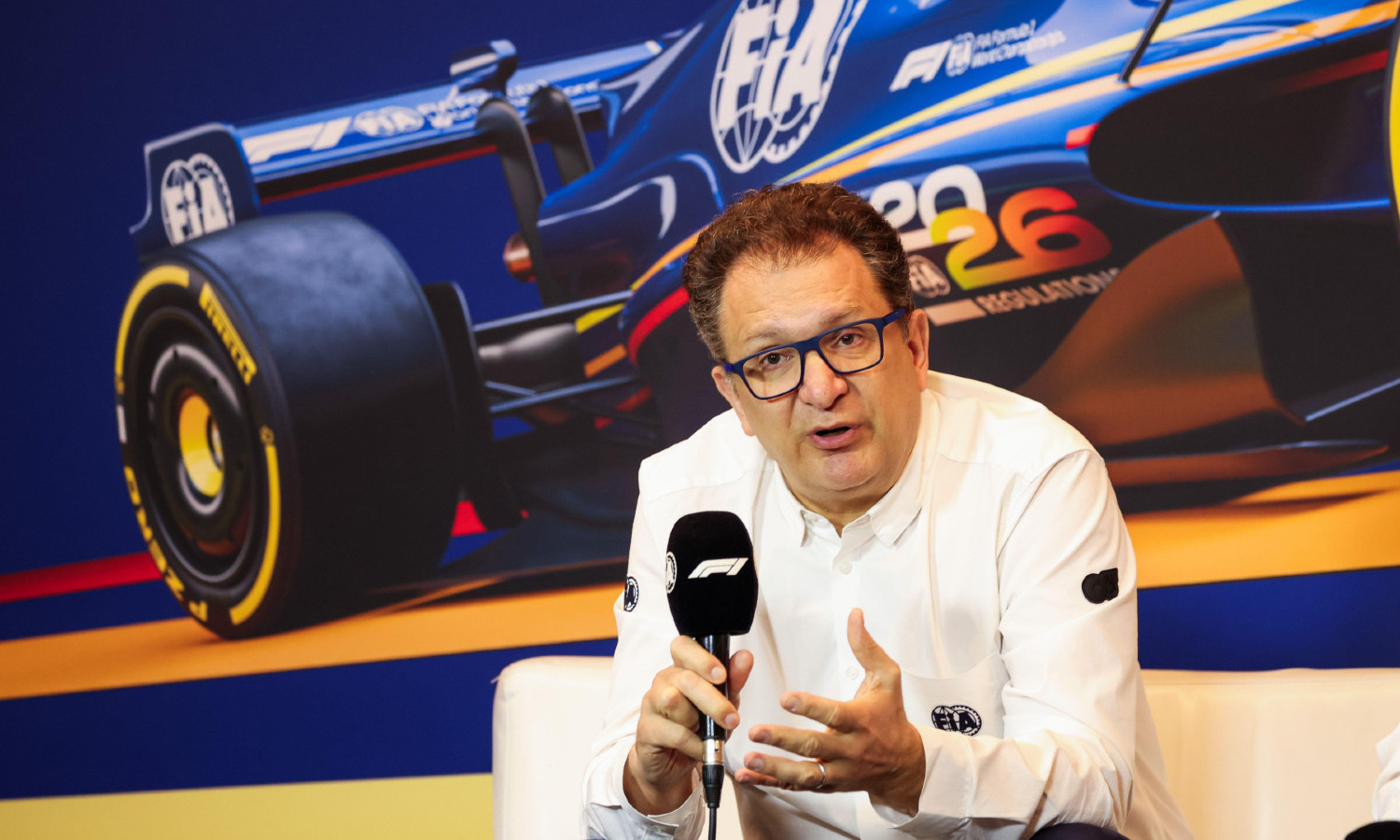
The process has accelerated in recent weeks, alongside urgent talks to tweak the highly controversial 2026 rules, with those tweaks to debut in Miami.
“The fact that we had a break allowed us to focus on these discussions, without having to rush every other weekend,” he said.
“It was quite clear that we needed to take certain measures. I think it was quite clear that people also needed to step out of their comfort zone for some of these discussions.”
Initial concepts for the next engine era reportedly point towards a simpler architecture, with a reduced electric component and continued use of sustainable fuels.
FIA official Jan Monchaux indicated a decision could come quickly.
“I think we need to wrap things up in the next two to three months. I hope it doesn’t take much longer,” he said.
“Something concrete needs to be on paper by the end of the year at the latest.”
There has even been discussion about shortening the current engine cycle, although resistance from manufacturers like Audi and Honda has so far blocked that path.
Editor’s Note: Formula 1 is not completely stuck with the 2026 power units for a rigid five full seasons without any flexibility, but major architectural changes like switching to a simpler V8 are effectively off the table until at least 2031 due to homologation rules, manufacturer commitments, and the new Concorde Agreement. The ninth Concorde Agreement (both its commercial and governance parts), signed by all 11 teams, the FIA, and FOM, runs from 2026 through 2030 and was explicitly designed to provide long-term stability around the 2026 regulation overhaul—including the controversial hybrid-heavy power units. These units are formally homologated for the entire 2026-2030 cycle, meaning fundamental redesigns (such as dropping to a V8 with reduced electrification and sustainable fuels) cannot be imposed mid-cycle without supermajority approval from power-unit manufacturers via the F1 Commission and the specific 2026 PU Governance Agreement. While the FIA has already approved and implemented targeted tweaks to the 2026 rules (e.g., energy deployment limits and MGU-K adjustments that debuted around Miami following early-season criticism), these are balancing measures and performance bandaids, not a full redesign.
Talk of shortening the current cycle (e.g., to three years so a V8 could arrive by 2029) has been floated but has so far been blocked by resistance from manufacturers like Audi and Honda, who have invested heavily in the 2026 architecture. The Concorde Agreement itself does not “tie the FIA’s hands” in an absolute legal sense—it is a commercial and governance framework focused on revenue sharing, team commitments, and regulatory stability rather than freezing technical rules forever—but it does require broad stakeholder consensus (especially from the engine suppliers) for any substantive power-unit changes, which practically prevents unilateral FIA action to overhaul to a V8 sooner. FIA single-seater director Nikolas Tombazis has been clear that the sport must not repeat the 2026 “compromise” and is already accelerating discussions for the next cycle (targeted for 2031) to deliver simpler, more combustion-focused engines without being “hostage” to manufacturers, acknowledging that the earlier push toward full electrification was overstated. In short, the 2026 formula is locked in for the full five-year window with only minor evolutions possible, but the FIA’s proactive early planning signals that the next engine era should avoid the current pitfalls.