Formula 1 News: Verstappen’s qualifying crash caused by software glitch
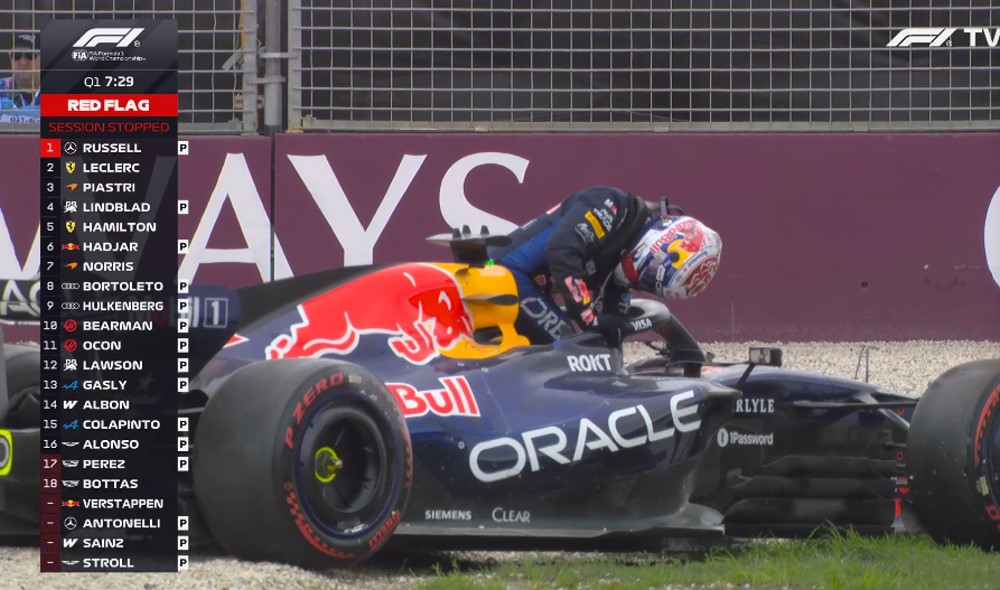
Max Verstappen’s qualifying session for the 2026 Australian Grand Prix lasted only a few seconds — and ended with his RB22 snapping sideways and firing into the Turn 1 barrier before he even began his first flying lap. The cause wasn’t driver error, brake bias, or a mechanical failure. It was a software‑driven over‑aggressive regeneration setting that instantly locked the rear axle the moment he lifted and touched the brake pedal.
–by Mark Cipolloni–
The crash was violent enough to injure Verstappen’s wrist when the steering wheel snapped out of his hands, though he was later cleared by the medical center. He’ll start the race from P20 — a brutal penalty for a glitch measured in milliseconds.
💥 Strange crash from Max Verstappen
👉🏻He lost the car at Turn 1#AusGP
pic.twitter.com/2pRiRw8tQY— SirCular 🏎️ (@SirCular_) March 7, 2026
What Actually Happened Inside the RB22
Under the 2026 regulations, the MGU‑H is gone and the MGU‑K is dramatically more powerful, responsible for harvesting far more energy under braking. Teams now rely heavily on software to control how aggressively the rear axle regenerates. Too little regen and the car coasts; too much and the rear wheels effectively become a braking system of their own.
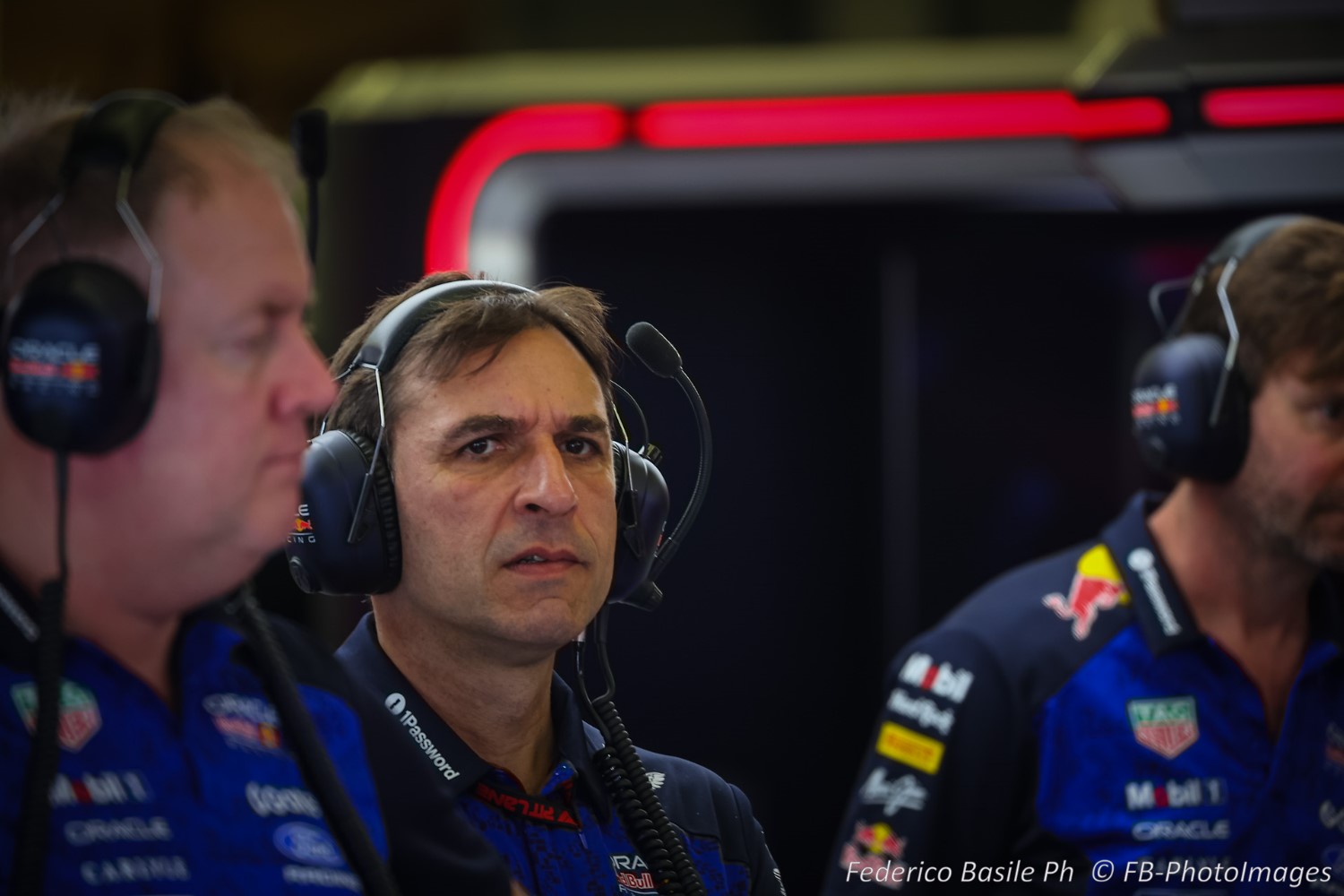
In Verstappen’s case, Red Bull’s Pierre Wache confirmed that a software issue set the regen to an excessively high value, causing the rear tires to lock the instant he came off throttle
Verstappen described it bluntly afterward:
“I just hit the brakes and suddenly the rear axle completely locked… I’ve never experienced something like that before. The formula (for the 2026 F1 cars) is just not correct, and that is something that is a bit harder to change. But I think we need to.”
There was no saving the car at that speed.
The Bigger Picture: F1’s Hybrid Balancing Act
Incidents like this underline the awkward tension at the heart of Formula 1’s 2026 ruleset. The series is pushing a narrative of “50% electric power” and sustainability, yet the cars have become more software‑dependent than ever, with drivers now managing complex energy systems that can make or break a lap — or send a championship contender into a wall before Turn 1.
Meanwhile, the sport continues its globe‑trotting calendar, flying thousands of tons of equipment around the world. The contrast between the marketing message and the logistical reality is hard to ignore.
The Verstappen crash is a reminder that:
- The hybrid systems are now powerful enough to destabilize a car instantly.
- Software settings are as critical as mechanical setup.
- The push for greener branding has introduced new layers of complexity — and new ways for things to go wrong.
Red Bull’s Missed Opportunity
Wache noted that without the glitch, Verstappen would likely have been within three‑tenths of George Russell’s provisional pole time. Instead, the four‑time champion will be fighting from the back while teammate Isack Hadjar starts P3.
For a team already chasing Mercedes’ early‑season pace, it’s a costly setback.