They Didn’t Listen to Verstappen and Now Formula 1 Is Between a Rock and a Hard Place
The 2026 Formula 1 season kicked off with high expectations for its revolutionary ruleset, featuring nimbler chassis, active aerodynamics, and energy-focused power units designed to shake up the grid. But after the Australian Grand Prix the reality has hit hard.
–by Mark Cipolloni–
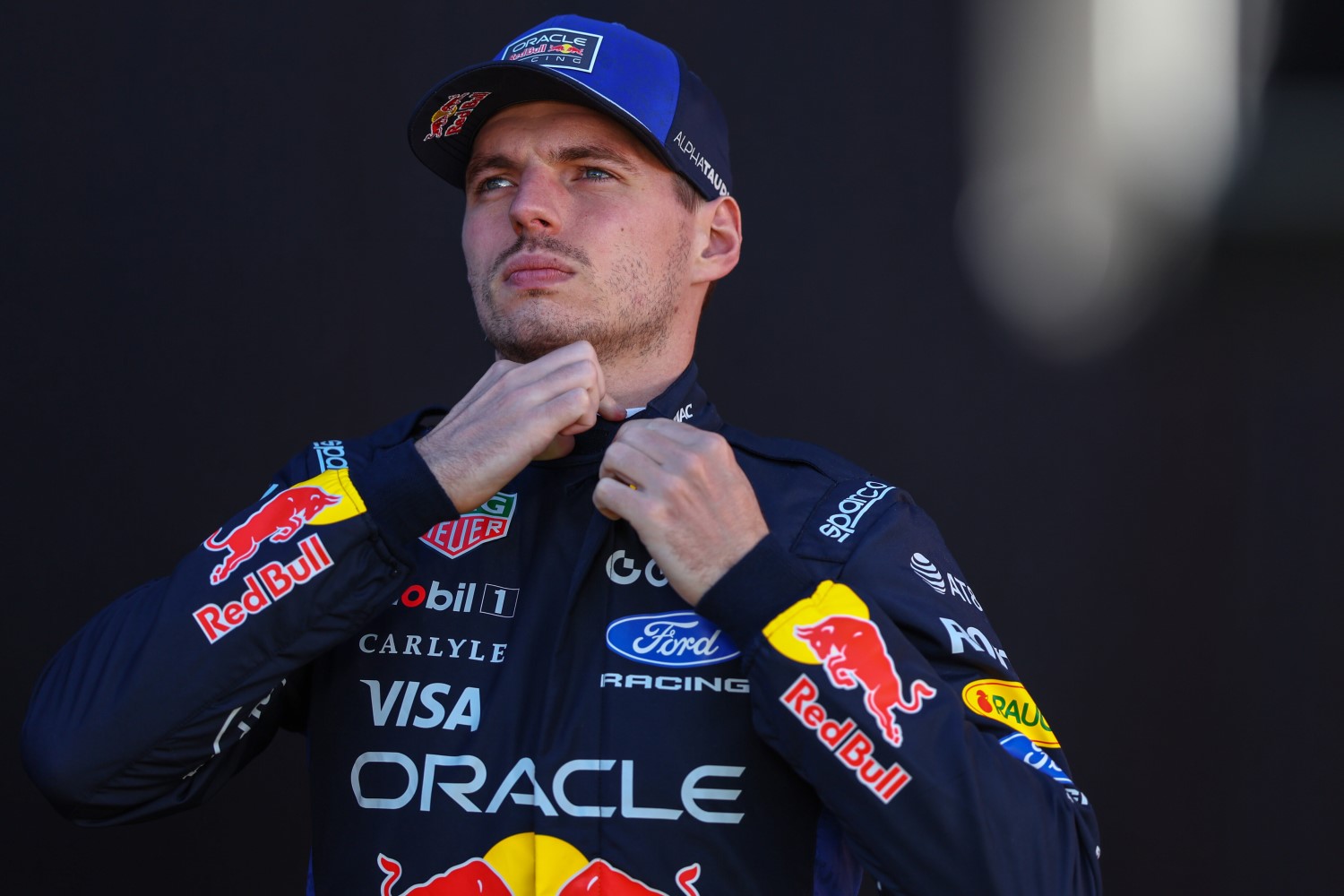
Drivers are voicing widespread discontent, describing the racing as “artificial,” chaotic, and far from the sport’s DNA. Max Verstappen, who has been vocal about these issues for years, warned that the changes would lead to unenjoyable, management-heavy racing. His concerns, largely brushed aside during development, now loom large as F1 grapples with whether to tweak the rules early or risk alienating its stars and fans.
Related Article: F1 News: Verstappen opposes Aero gimmicks for 2026 F1 Cars
The new regulations emphasize battery management and electrical boosts, limiting deployment to 350kW and super clipping (for charging) to 250kW. This creates a yo-yo effect where drivers hit a “boost” button for temporary power surges—up to 750kW combining combustion and electrical energy—only to face depletion and vulnerability afterward. Charles Leclerc likened it to “the mushroom in Mario Kart,” capturing the game-like strategy but also the frustration. While overtakes tripled compared to last year at Albert Park, many were deemed too contrived, relying on energy differentials rather than pure skill.
Driver unhappiness is near-universal, though not unanimous. Verstappen, finishing sixth after starting effectively 18th, reiterated his disdain: “I do care about it, I do love racing, and I want it to be better than this… We can only take so much.” He has long argued that the rules stray from F1’s essence, forcing counter-intuitive driving focused on energy rationing. Lando Norris was even harsher, calling the cars “probably the worst” after going from the best ever, and labeling the racing “very artificial… You just get overtaken by five cars or you can just do nothing about it sometimes.”
Esteban Ocon found it “frustrating” and “painful,” while Liam Lawson noted it’s “not super fun to drive in the race” due to constant slowing on straights. Sergio Pérez described it as “a lot less fun… too artificial,” and Pierre Gasly said it “wasn’t natural” and detracts from “pure driving.”
Not all drivers agree. Lewis Hamilton enjoyed it, calling the race “really fun” and the car “really, really fun to drive.” Leclerc saw potential in the strategic depth: “It will definitely change the way we go about racing… Every boost button activation, you know you’re going to pay the price big time after that.”
George Russell defended the setup, suggesting critics like Norris are “sore losers” and that opinions might shift with wins. This divide highlights a core issue: while some appreciate the tactical layer, most feel it diminishes driver input and excitement.
Safety concerns add urgency. Norris warned of “major safety risks” from closing speeds up to 50km/h, potentially leading to catastrophic crashes: “You can have a 30/40/50km/h speed difference… That’s a pretty horrible thing to think about.”
Near-misses in Australia, like Franco Colapinto dodging a slow Liam Lawson at the start, underscored this. McLaren’s Andrea Stella, who flagged these during testing, urged action: “We should not be happy because nothing happened… We should be always on the forefoot when it has to do with safety.” He emphasized reducing speed differentials, especially at starts.
F1 now faces tough options. The FIA and teams agreed pre-season to evaluate after a few races, avoiding kneejerk reactions. Nikolas Tombazis, FIA single-seater director, said reviews would come after China, with “a few aces up our sleeves” like tweaking energy harvesting, deployment levels, super clipping (increasing from 250kW), or boosting ICE power. Changes could hit as early as Japan on March 29 if urgent.
Williams’ James Vowles cautioned against haste: “The worst thing we can do is change it and make it worse,” noting Albert Park’s energy-starved nature amplified problems. Mercedes’ Toto Wolff stressed balancing driver views with fan spectacle: “We need to have a great spectacle… If it needs to be tweaked, we have the flexibility.”
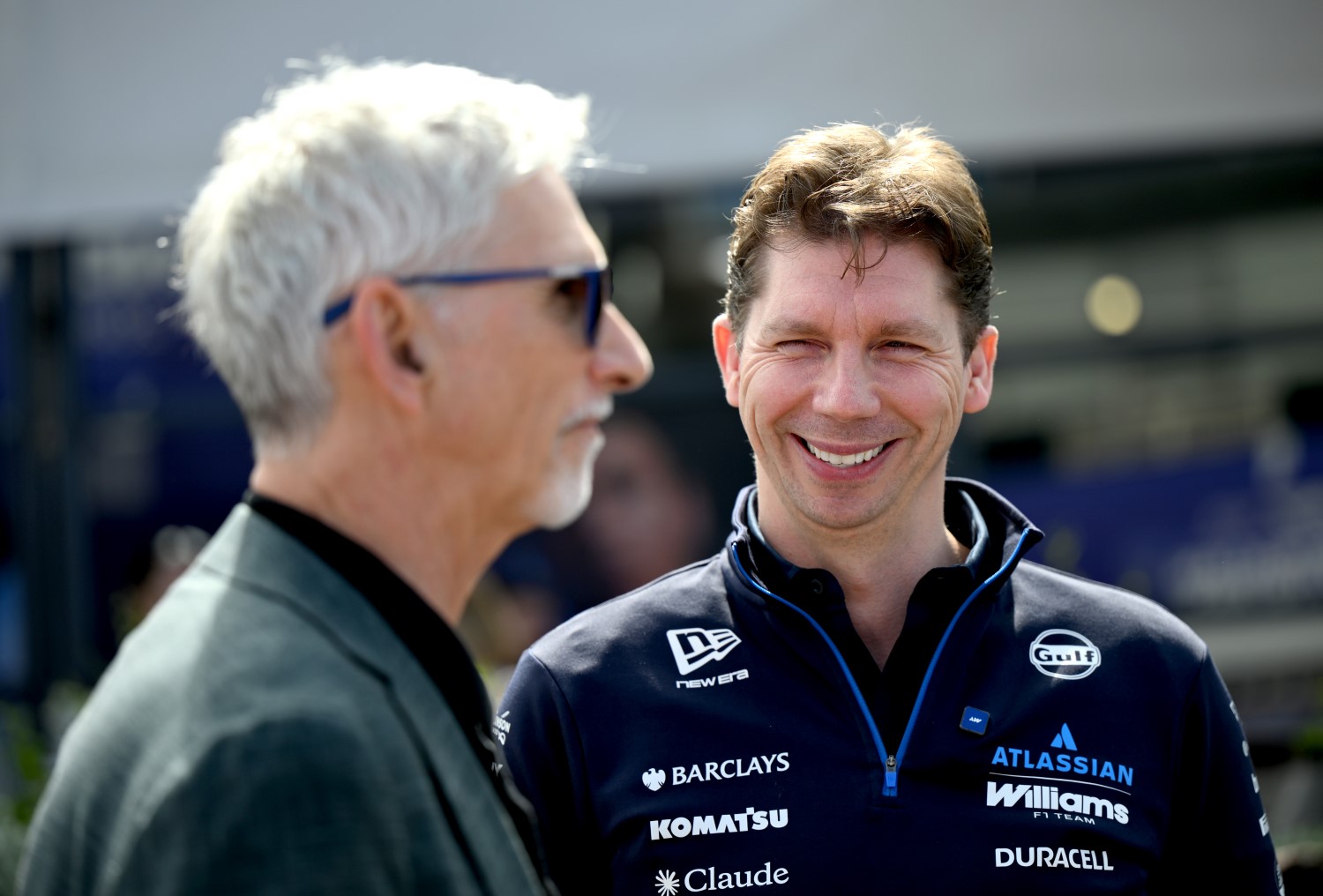
Yet, panicking too soon risks invalidating data and setups, as seen when the FIA briefly removed a ‘straightline mode’ zone only to reverse it. History shows nostalgia often clouds judgment—drivers disliked the previous ground-effect cars too. Vowles added: “Are we in the right place? No. Do we know exactly what to change to make it better? No… Watch this space!”
F1 is indeed between a rock and a hard place: stick with the rules and endure driver backlash and safety worries, or alter them mid-season and potentially create new issues. Verstappen’s unheeded warnings have come to fruition, leaving the sport to navigate this dilemma with data from China and beyond. As Stella put it, hope isn’t enough—action on safety can’t wait, but broader fixes demand caution. The coming races will decide if 2026 becomes a turning point or a misstep.
Related Article: Formula 1 News: Russell wins, ‘Mario Kart’ row divides paddock