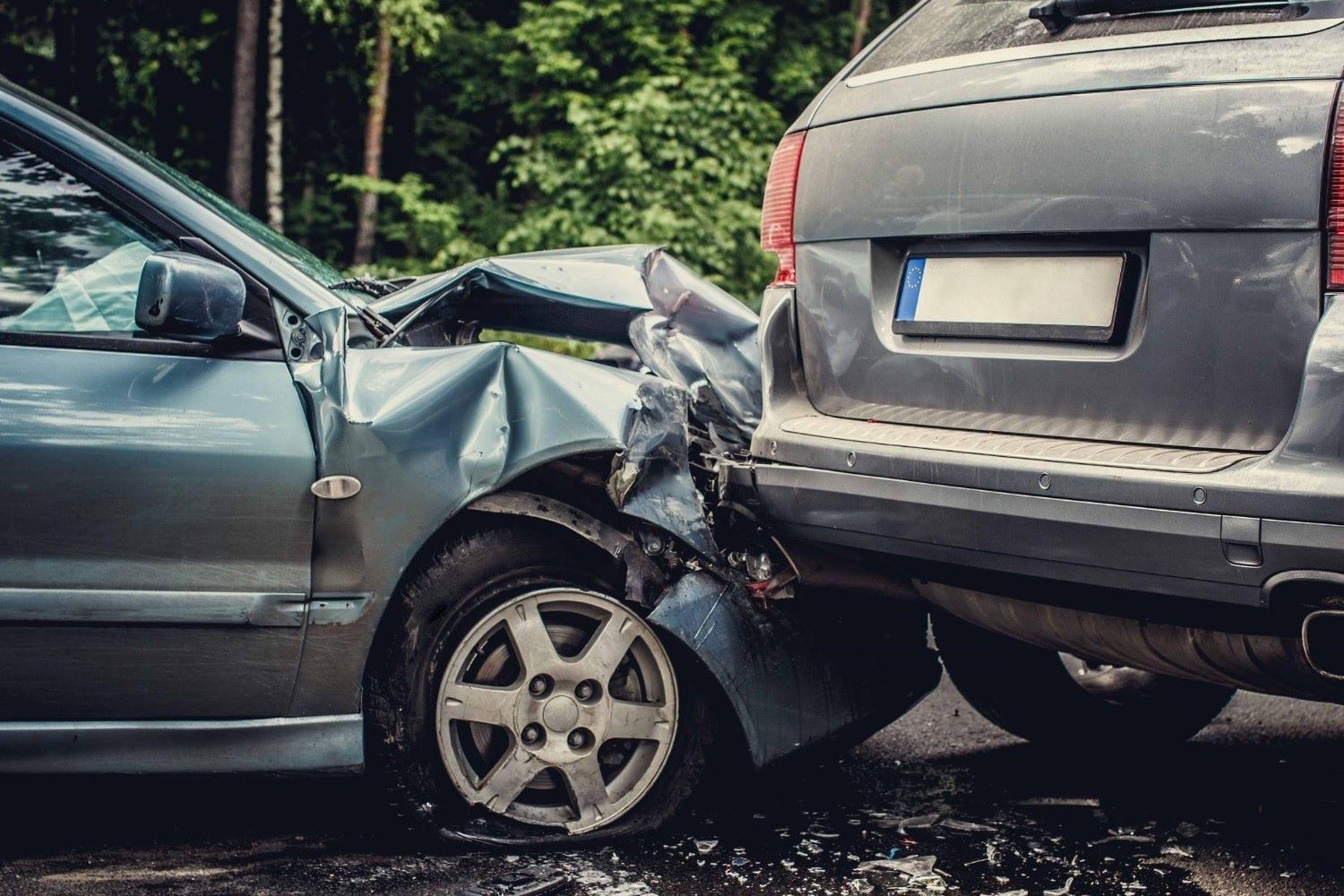
Automotive News: How Racing Tech is Shaping Safety in All Vehicles
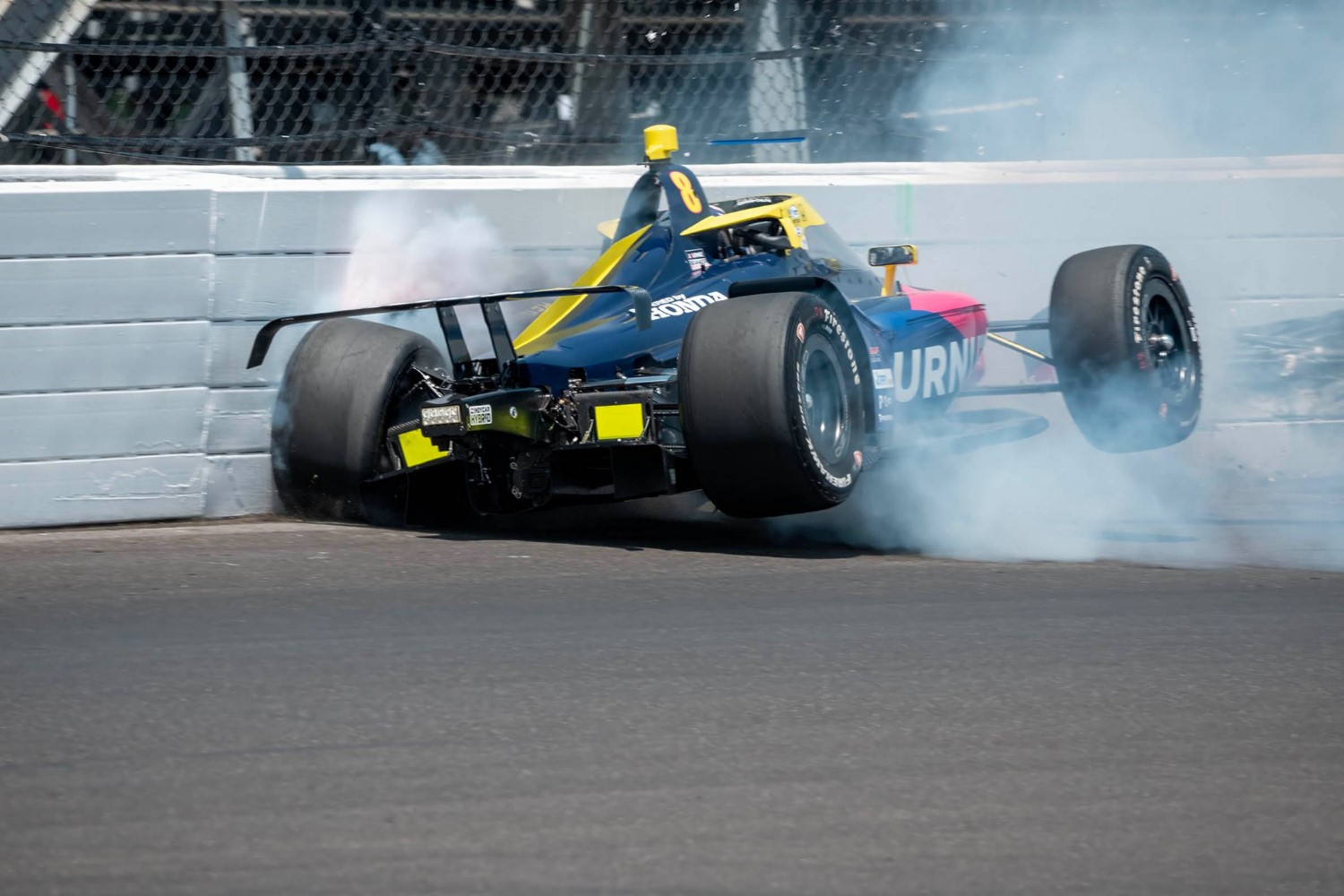
Can you even imagine slamming into a wall at 180 mph? That would be a death sentence.
And yet, for a race car driver, it’s a Tuesday. Just imagine yourself crashing at those speeds – you’d become a squashed tin can. Right? But no, these guys just crash, they brush off the dust, climb out, and then they go about complaining how the car’s handling isn’t calibrated properly. It’s crazy!
Now compare that with you hitting a pothole while you’re driving 60 mph – panic. Race drivers are just built differently. Or are they? Perhaps it’s the technology. Because it’s DEFINITELY not magic now, it has to be engineering.
If you want to know their secret, it’s not magic. It’s engineering.
The Racetrack has been the ultimate testing ground for car companies for years, and they’ll throw everything at those vehicles just to see what breaks. And the stuff that doesn’t break ends up in your car.
These are a lot more than a few cool gadgets, so let’s take a closer look.
How Racing (Safety) Tech Affects Everyday Cars and Public Transport
When you place one next to the other – a school bus and a racing car – you wouldn’t see a connection there. Well, not outright, anyway. And that’s true, they don’t really have MUCH in common.
But then you look closer (under the surface). What you now see is that there’s technology there – in the bus; technology that’s used on a racetrack. And that’s wild.
Let’s take a closer look at which tech from racing cars can be used on an everyday city vehicle, such as a bus.
Advanced Safety Harnesses
Have you ever noticed the way race drivers are strapped? They look like they’re going into space, but all those harnesses have a point. Without them, drivers would bounce around inside a cockpit during a crash. Car companies took that idea and made regular seatbelts better.
Now you can slam on the brakes or get into an accident, your seatbelt automatically tightens up to hold you tight. Without it, you’d fly forward and hit something.
Crumple Zones and Impact Absorption
You want to hear something weird but true?
Part of your car will break during a crash – that’s a good thing. You actually WANT that to happen. But why?
Race cars figured that out a long time ago, and they’re built so the front and back can crumble like an empty soda can.
And this has much to do with the fact that all that crushing takes up much of the energy from the hit. If the car wasn’t the one absorbing it, your body would and, well… You don’t want that, do you? This is exactly how your car works now. The front end is made to fold up like an accordion in case of a wreck, and, as scary as it looks, that’s what’s saving you.
Fire Suppression System(s)
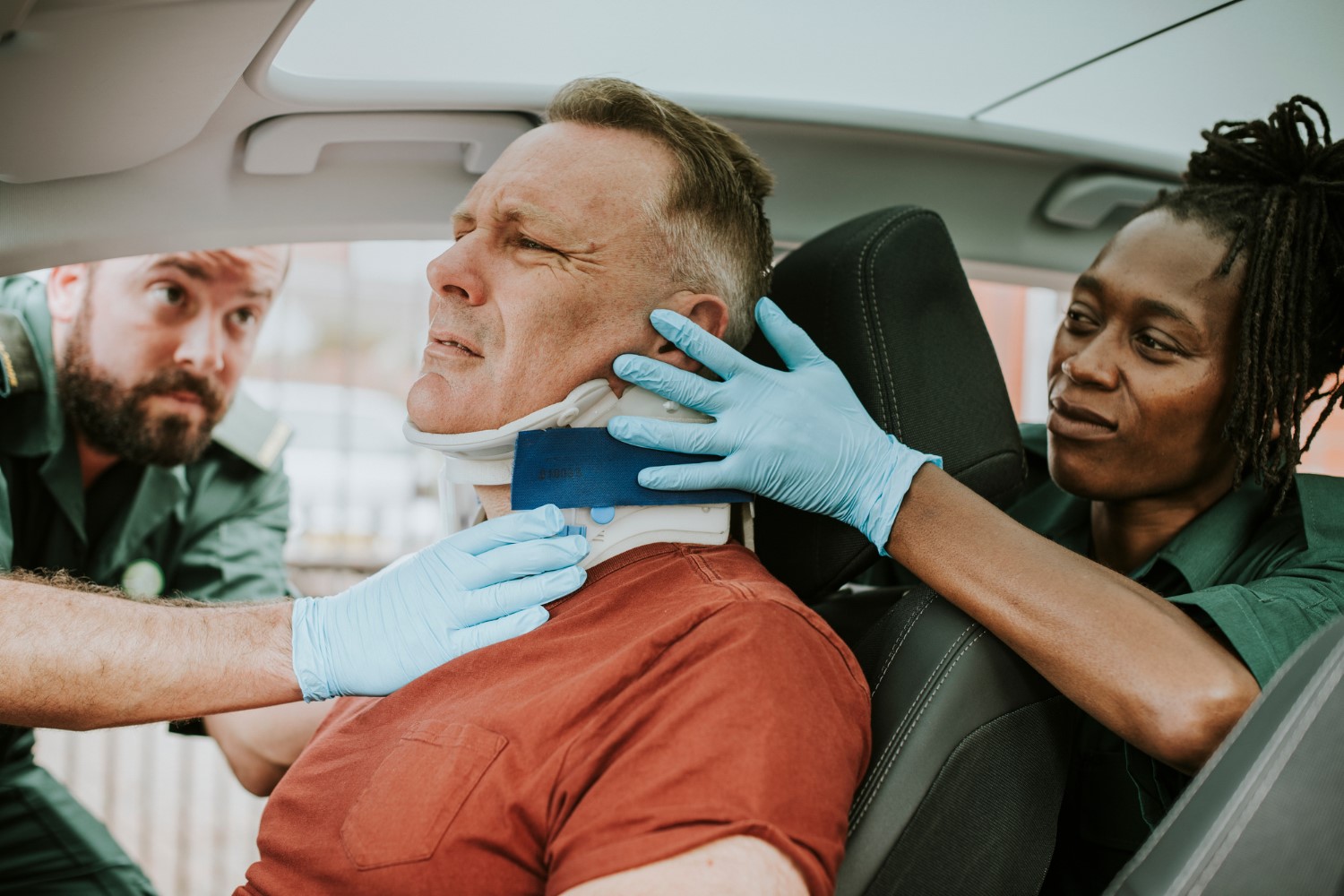
One of the most dangerous (and scariest) things that can happen on a racetrack is fire. You crash. Sure, you’re ok for the most part. But you can’t get out. Perhaps you’re crushed and unable to move. Or perhaps you lost consciousness. And then the car bursts into flames. Horror.
This is why race cars have been designed to shoot out fire extinguishing chemicals to suppress/neutralize fire almost instantly should one appear. That same tech is used in buses today. The reason for that is that buses have their engines mostly in the back. And there are passengers there. If a fire were to appear out of the blue, passengers could get injured.
The system would kick in whether the fire comes from/near the fuel tank or from the engine area. The fire suppression system was designed to start automatically with the idea being to completely stop the fire, or at least slow it down long enough until everyone inside the vehicle is safely relocated.
Every single second matters.
Telematics and Crash Data Monitoring
Race teams absolutely adore data. The more, the better.
They track everything a car does during a race, and that same kind of tracking can now be seen in many regular cars and buses. How fast it’s going, when the driver hits the brakes, how hard it turns, and more. There’s a little black box that records whatever happens before a crash, and later, investigators can look at that information and figure out what went wrong.
That information is invaluable once lawyers and insurance companies get involved.
How Racing Safety Tech Is Changing the Legal Side of Accidents
Car companies that started putting racing technologies into everyday vehicles had only one goal: to save lives.
That tech, however, ended up doing something else, too. It actually changed the law, believe it or not. It changed how we figure out who’s to blame after a crash, and it made the rules a whole lot stricter for anyone who’s either building or operating vehicles.
Let’s go back 50 years in the past.
If you got into a wreck, it was your word against the other person’s. No hard proof whatsoever. Now, we have black boxes that record everything and tell the actual, indisputable truth. The tech also forced the regulators to raise the bar.
For example, if a bus company skips maintenance or lets safety equipment fail, they’re breaking the law and will face the consequences, especially if they end up in court.
Think about it – if a bus crashes in a huge city, like New York or Chicago, the injuries can be catastrophic because of the sheer number of people in traffic.
That doesn’t mean that a bus accident in a small town isn’t serious, but a Chicago bus accident lawyer has a lot more work on their hands than in someplace like Belleville. It’s more difficult to assign blame when there are so many vehicles and people involved, but thanks to tech, it’s become a lot easier.
The bottom line – racing tech saves lives and makes sure that the truth comes out when things go wrong.
Conclusion
If you were to call race car drivers crash test dummies with brains, you wouldn’t be wrong.
And because they do what they do and crash their cars, your sedan is safer. The bus that takes your kid to school is safer.
Modern cars are safer than ever – fatalities are down, injuries are less severe, and, when the worst does happen, at least we know exactly what went wrong.
Related Article: Formula 1’s Cutting-Edge Technology for Safety