Formula 1 News: Montreal Braces for First-Ever Sprint Weekend as 2026 Rules Meet the Wall of Champions
The seventh round of the 2026 world championship is fast approaching, and the Circuit Gilles-Villeneuve on Notre-Dame Island is ready to serve as a high-stakes laboratory for the sport’s radical new era. From May 22 to 24, GP Canada will not only test the limits of the energy-focused power units but will also introduce the venue’s first-ever Sprint weekend.
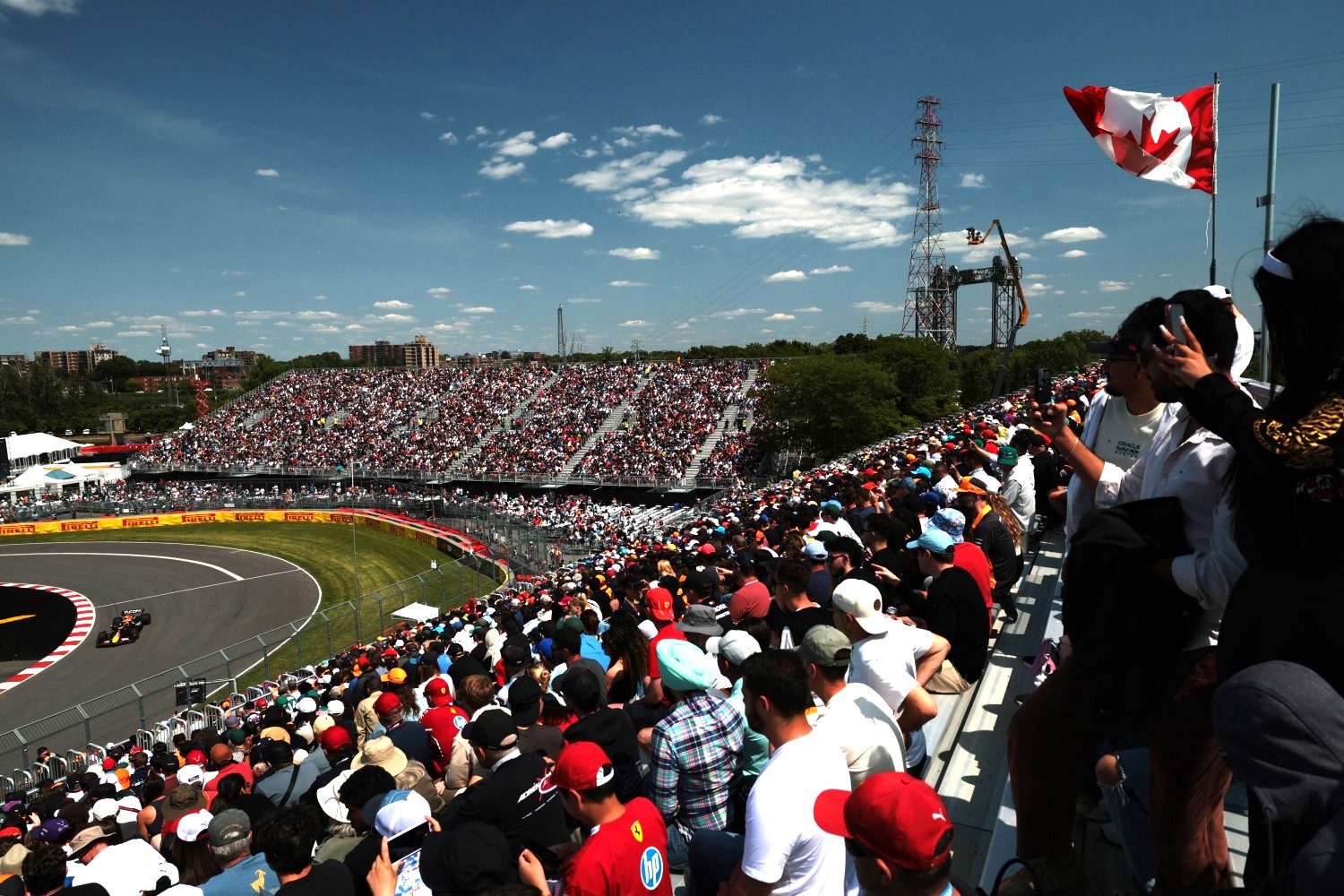
Fans are already flocking to the city, drawn by the unique blend of elite motorsport and the festive atmosphere that has defined this event since its move to the island in 1978.
This year, the stakes are arguably higher than ever. With the 2026 regulations emphasizing a 50/50 power split between internal combustion and electrical energy, teams are still grappling with the “yo-yo” effect of battery management. For those following the strategic nuances or who bet on sports in Alberta, the GP Canada Sprint format offers a critical data point. The shortened Saturday race provides a direct look at which manufacturers have mastered the “Z-mode” downforce transitions before the main event on Sunday.
Tracking the Action: The 2026 Sprint Schedule
The introduction of the Sprint format means there is no “off” day for the teams or the fans. With only one practice session to dial in the complex active aerodynamics, mistakes are likely. The schedule for the weekend is as follows:
- Friday, May 22: The weekend opens with Practice 1 at 1:30 PM, followed immediately by the high-tension Sprint Qualifying at 5:30 PM to set the grid for Saturday.
- Saturday, May 23: The Sprint Race begins at 12:00 PM, offering a 100km dash for points. Traditional Grand Prix Qualifying follows at 4:00 PM to determine the Sunday lineup.
- Sunday, May 24: The Main Race gets the green light at 2:00 PM, where drivers will fight through 70 laps and a total distance of 305 kilometers.
Technical Analysis: Braking Zones and Battery Wars
The 4.361 km layout, featuring 14 turns, remains a brutal test of mechanical grip and braking stability. The Wall of Champions at the final chicane stands ready to punish any driver who misjudges the curbing or fails to manage their energy deployment correctly. In fact, the long straights will highlight the differences in “super-clipping” as cars harvest energy, potentially creating massive speed deltas between rivals.
Still, the track record of 1:13.078, set in 2019, may be safe for now as the 2026 cars prioritize efficiency over raw lap time. Moreover, the heavy braking required for the chicanes puts immense thermal stress on the systems. It seems that the teams with the most robust cooling packages will have a distinct advantage, especially if the typical Montreal humidity plays a factor.
Fan Logistics and Track Access
Navigating the island circuit requires more than just a ticket. Because the track is located in a public park, private car access is restricted. Most attendees utilize the Montreal Metro, specifically the Jean-Drapeau station, which drops fans within walking distance of the bridges. Due to the surge in demand for the Sprint debut, fans are encouraged to use bicycles or shuttle services to avoid the bottleneck at the gates.
Tickets and VIP packages are available through montrealgrandprix.com and official F1 channels. For those on the ground, the official FAQ at canada.gp is the go-to resource for gate times and local transit updates. Away from the track, the city’s famous street festivals ensure the energy remains high long after the engines have cooled.
The Montreal Legacy and the New Era
Montreal has been a staple of the calendar since the late 60s, and its history is woven into the fabric of the sport. To be sure, the 2026 GP Canada represents a bridge between that storied past and a high-tech future. While some veterans have voiced concerns over the “artificial” nature of the new energy boost systems, the fans on the Notre-Dame Island grandstands care more about the wheel-to-wheel combat.
Therefore, the seventh round is expected to be a pivotal moment in the championship hunt. The mix of a high-speed, low-drag layout and the unpredictable Canadian weather often results in a podium that defies the bookmakers’ predictions. Whether the new regulations produce a classic or a strategic chess match, the GP Canada remains the crown jewel of the North American leg.