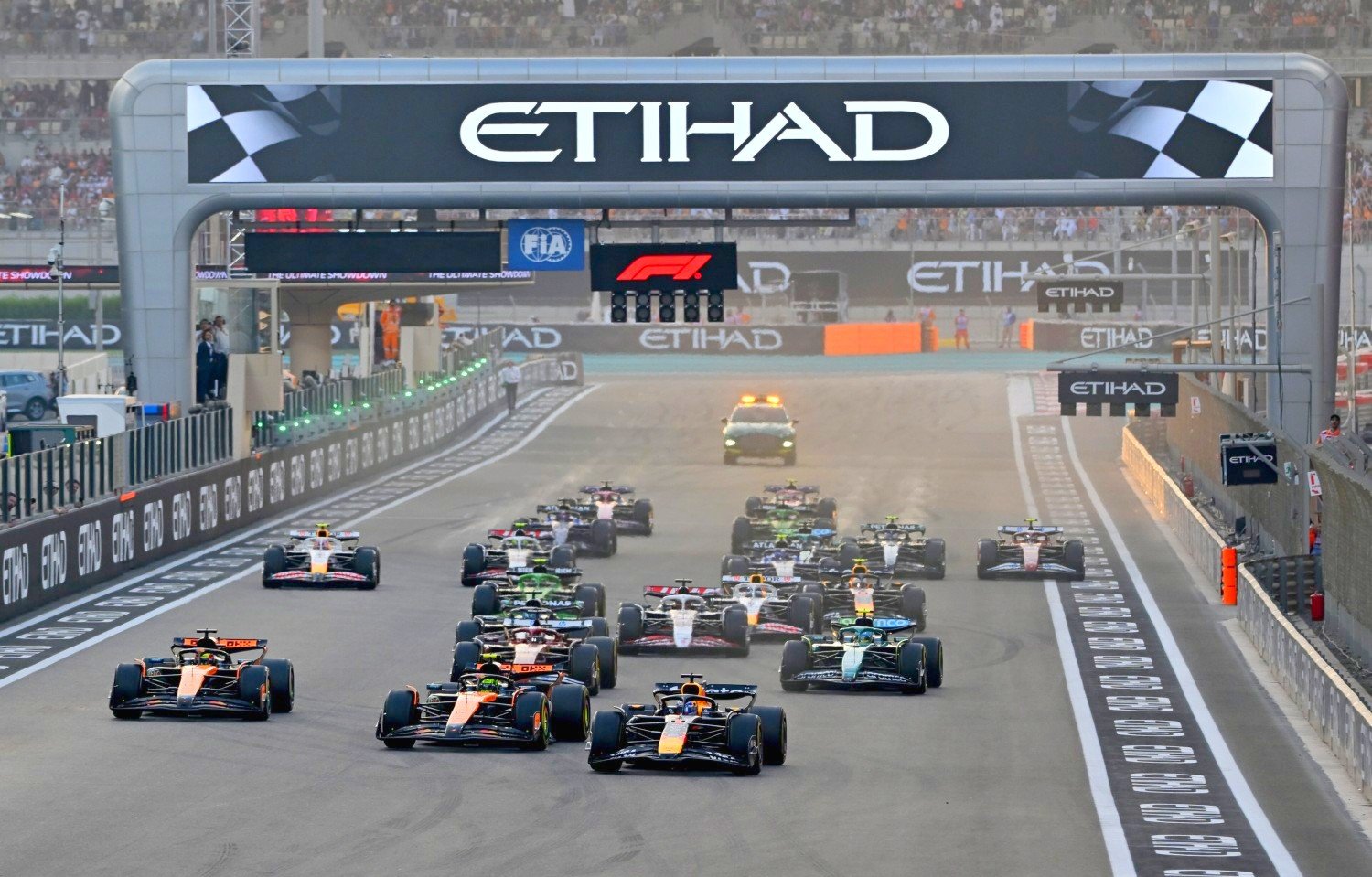
From Turbo Lag to Total Chaos: Evaluating the New F1 Start Procedure
Few moments in motorsport carry the same concentrated tension as the seconds between the formation lap ending and the first race lights going out. In Formula 1, those few seconds are where engineering precision and raw human instinct converge under genuine pressure, and where a fractional delay off the line or a misjudged throttle application can rearrange the entire field before the first corner is even reached.
The FIA’s continued refinements to how teams and drivers approach the start procedure have brought renewed attention to a phase of the race that was already among the most technically demanding.
The Bite Point Problem
The clutch system in a modern Formula 1 car is nothing like what road drivers experience. Drivers use two separate clutch paddles on the steering wheel: one to locate the bite point during the pre-start phase, and one to hold position while waiting for the lights.
The bite point itself refers to the precise moment at which the clutch begins to engage the drivetrain, and finding it correctly is the difference between a clean launch and a costly wheel spin or, worse, a stall. For years, teams fed detailed setup information to drivers right up to the moment of departure.
Restrictions on that communication have gradually tightened, shifting more responsibility onto the driver to interpret the car’s feel in real time. That shift is not cosmetic. It reintroduces a level of variability that had been largely engineered away, and it means that two cars with identical hardware can still produce notably different results depending on who is in the cockpit.
Turbo Lag and the Hybrid Dimension
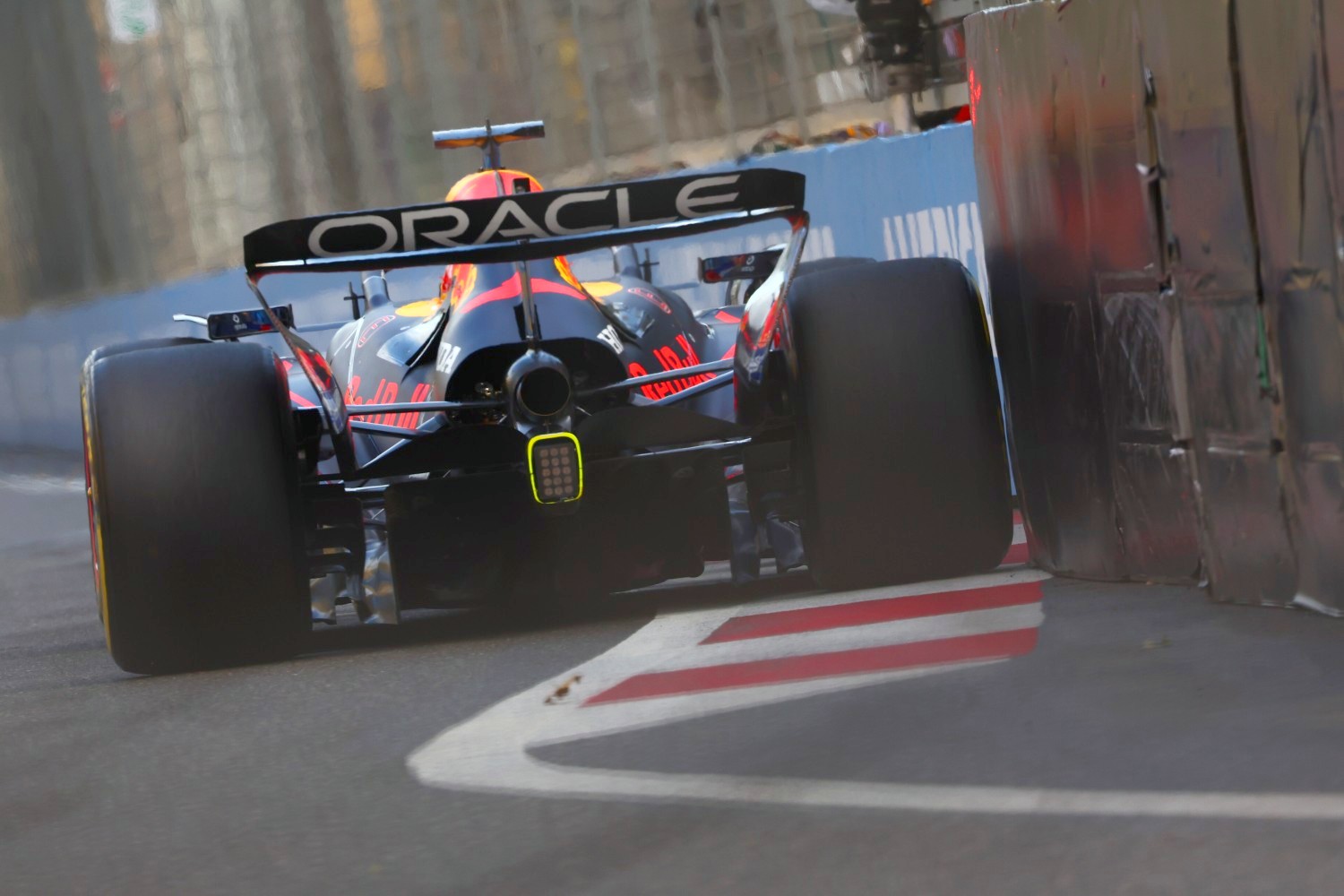
Modern F1 power units brought complications that simply did not exist in the naturally aspirated era. The turbocharged 1.6-liter V6 hybrid units produce a significant portion of their power through the MGU-K, the motor generator unit on the kinetic side of the hybrid system. At the moment of a standing start, the MGU-K cannot deploy stored energy to help fill the gap that the turbocharger takes time to bridge.
Calibrating that deployment without overwhelming rear tire grip, though, is far from straightforward. Too much energy is delivered too aggressively, and the tires break traction. Too little and the car simply loses ground to competitors who have the balance right. Recent adjustments to start procedures place greater emphasis on how that energy is mapped for race conditions.
Where Strategy and Probability Intersect
Race starts have increasingly attracted attention from those who follow the sport analytically. The unpredictability of the opening seconds, combined with genuine performance variation between machinery and driver, makes this phase one of the more revealing ways to read a race before it properly settles.
For those following NetBet’s betting markets, the dynamics of who gains and who loses positions in the first two corners often inform how the rest of the race unfolds, particularly on circuits where overtaking opportunities are limited once the field settles. Procedural changes that redistribute advantage more evenly across the grid naturally affect those calculations.
The First-Corner Cascade
What happens between lights-out and the exit of turn one is not simply a matter of acceleration. It involves braking reference points, defensive and offensive positioning, tire temperature windows, and split-second decisions made at closing speeds that leave almost no margin for error. A driver who gains a position during the launch itself may then find that their tires are not yet at the temperature required to defend through the braking zone.
Conversely, a driver who loses ground off the line but keeps the tyres cooler may find themselves better positioned three or four corners later. The start procedure changes have widened that kind of gap. With more variance introduced into the launch itself, teams now have to model a broader range of first-corner scenarios when building race strategy, and drivers have to be prepared to respond to a field order that may not align neatly with grid positions.
The Engineering Response
Teams have not been passive in the face of these changes. Simulator time dedicated to start practice has increased, and the feedback loops between drivers and engineers around clutch feel and traction mapping have become a more prominent feature of race weekends.
That creates a particular window in the very earliest phase of a start, where the car is still largely dependent on mechanical grip alone. Tire compound selection, ambient temperature, and even the cleanliness of the grid slot all feed into how that window plays out.
Related Article: Formula 1 News: Driver talent will be put to the test during 2026 Race Starts