NASCAR’s Electric Ambitions: The Pros and Cons of Potential EVs in the O’Reilly Auto Parts Series
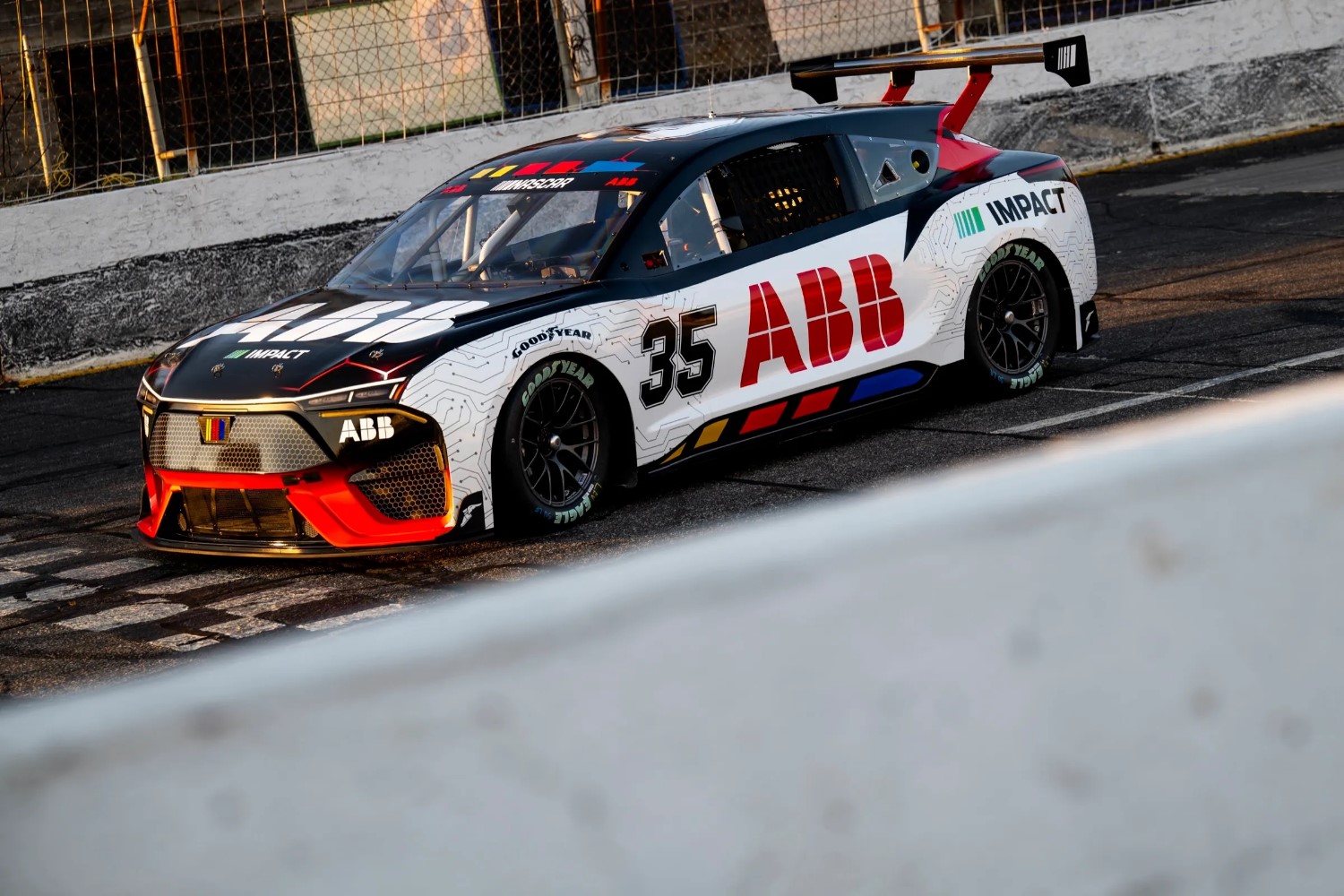
NASCAR Executive Vice President and Chief Racing Development Officer John Probst has sparked a firestorm by openly discussing long-term plans for the sport’s 2030s roadmap. In conversations with Sports Business Journal, Probst revealed that NASCAR is evaluating the use of its electric crossover utility vehicle (CUV) prototype — first unveiled nearly two years ago — in the O’Reilly Auto Parts Series. The goal? Give the second-tier national series a clearer brand identity distinct from the Truck Series and Cup Series. He also confirmed NASCAR will experiment with hydrogen combustion engines within the next five years.
–by Mark Cipolloni–
The comments were not framed as an immediate switch. Probst emphasized threading “the needle… along the line of entertainment and sport, and maybe you can even go beyond sport and just say pure engineering.” He added that NASCAR doesn’t “need to be on the absolute bleeding edge of powertrain technology to be relevant to our OEMs and also be entertaining to our fans.”
Still, the mere suggestion of electric vehicles (or electrified powertrains) entering one of NASCAR’s three national series has ignited fierce debate. Fans flooded social media with reactions like “Ruin the best series you have. Good idea” and “No wonder NASCAR is failing. No need for this shit in the top 3 series.” Here is a clear-eyed look at the positives and negatives of NASCAR, even considering EVs or hybrid-adjacent tech in the O’Reilly Series.
The Positives: Relevance, Identity, and the Future
1. Stronger brand identity across NASCAR’s national series
Probst pointed out that the Cup and Truck Series have unmistakable silhouettes and identities, while the O’Reilly Series often gets referred to by its sponsor rather than its cars. A dedicated CUV body — whether electric or not — would create three visually distinct series: Truck, CUV, and Cup. This differentiation could help fans, sponsors, and manufacturers see each level of NASCAR as its own unique product.
2. Staying relevant to modern carmakers
Ford, Toyota, and Chevrolet (NASCAR’s incumbent OEMs) are all heavily investing in electrification and alternative powertrains. Probst’s role includes keeping NASCAR “in lockstep” with where the automotive industry is heading. By exploring EVs or hydrogen combustion in a lower-profile series first, NASCAR can demonstrate it is not ignoring the future. This could help retain current manufacturers and attract new ones who might otherwise view stock-car racing as outdated.
3. Testing ground without risking the flagship Cup Series
The O’Reilly Series has historically been a place for experimentation. Placing an EV or hydrogen-powered CUV here allows NASCAR to gather real-world data on performance, reliability, costs, and fan reception before any larger rollout. Probst has stressed this is long-term thinking — not a 2027 mandate — giving the sport time to iterate.
4. Sustainability image and younger fan appeal
An EV or hydrogen program could position NASCAR as forward-thinking on emissions and technology. In an era when younger audiences prioritize environmental concerns and cutting-edge engineering, this could broaden the sport’s demographic without immediately touching the Cup Series that millions of traditional fans watch every Sunday.
5. Potential engineering showcase
Probst’s comments highlight that racing can serve as “pure engineering.” An electrified series could highlight advancements in battery tech, power delivery, or hydrogen systems — areas where manufacturers want to showcase innovation.
The Negatives: Tradition, Atmosphere, and Fan Trust
1. Immediate and intense fan backlash
Core NASCAR fans have made their feelings crystal clear. Many view the O’Reilly Series as the most competitive and entertaining of the three national tours. Comments like “Probst is a tool and has no clue what is right for O’Reilly series” and calls for an entirely new decision-making board reflect a deep fear that electrification would strip away the raw, loud, visceral experience that defines stock-car racing.
2. Loss of the engine sound and racing soul
The thunderous roar of V8 engines is not just background noise — it is part of NASCAR’s DNA. Electric motors are nearly silent by comparison. Even with artificial sound enhancement (something Formula 1 has tried), many fans believe the atmosphere at tracks would suffer dramatically. For a sport built on sensory overload, that is a massive risk.
3. Risk of alienating the loyal base
NASCAR’s strength has always been its passionate, die-hard audience. Critics argue that chasing “relevance” with carmakers could come at the expense of the very fans who fill stands and tune in week after week. Some fear this is another step toward making racing more sanitized and less exciting — echoing complaints about other series that have gone down the electrification path.
4. Technical and competitive unknowns
EVs bring challenges: heavier battery packs that could alter handling and safety dynamics, complex energy management, and questions about durability under the extreme conditions of oval and road-course racing. Fans worry these issues could lead to artificial racing (lift-and-coast strategies, strategic charging windows) rather than flat-out competition.
5. Perception of forced change for the wrong reasons
Many see this as NASCAR trying to “fix” something that isn’t broken. The O’Reilly Series has been gaining traction and closing the ratings gap with Cup events. Detractors argue leadership is focused on the wrong priorities—chasing manufacturers and trends instead of simply delivering the best possible racing product.
The Bottom Line
John Probst is doing exactly what his title suggests: developing the sport’s future while trying to keep carmakers happy and fans entertained. The exploration of an EV CUV in the O’Reilly Series and hydrogen combustion experiments are framed as thoughtful, long-term considerations rather than knee-jerk decisions. Yet the swift and overwhelmingly negative fan reaction shows how deeply protective the NASCAR community is of its traditional formula.
Whether these ideas ever reach the track will depend on how well NASCAR can balance the undeniable need to stay relevant in a changing automotive world with the equally real demand to protect the thunder, drama, and identity that built the sport. The needle Probst described threading is a narrow one — and the early feedback suggests many fans believe NASCAR is already leaning too far toward the engineering side at the expense of the entertainment.
The conversation is just beginning. How NASCAR listens — or doesn’t — to its fans in the coming months and years may determine whether the move toward electrification strengthens the sport or risks fracturing its most dedicated audience.