Betting on Motorsports: Weather, Tire Strategy and Their Effect on F1 Odds
In Formula 1, raw speed tells only part of the story. The car that dominates qualifying on Saturday doesn’t automatically control the race on Sunday. Weather shifts and tire decisions often end up playing just as large a role as engine output or aerodynamic efficiency.
For fans who also track betting markets, those same variables frequently drive late movement in the odds. A grid that looks straightforward after qualifying can feel far less predictable once track temperatures rise or rain starts creeping into the forecast.
Why Weather Matters More Than It Looks
F1 cars react sharply to environmental changes. A small adjustment in air temperature can influence aerodynamic balance. A few degrees of track temperature can change how quickly tires degrade. Even wind direction can affect stability through fast corners.
When the asphalt heats up, tire wear accelerates and teams may have to rethink their pit strategy. In cooler conditions, it can take longer for compounds to reach their ideal performance window. Add rain to the equation and the competitive picture can shift in a hurry.
Wet sessions tend to mix things up. Drivers who are comfortable managing low grip often find opportunities. Recent seasons have shown how rain-affected qualifying at circuits like Spa or Suzuka can completely alter expectations for race day.
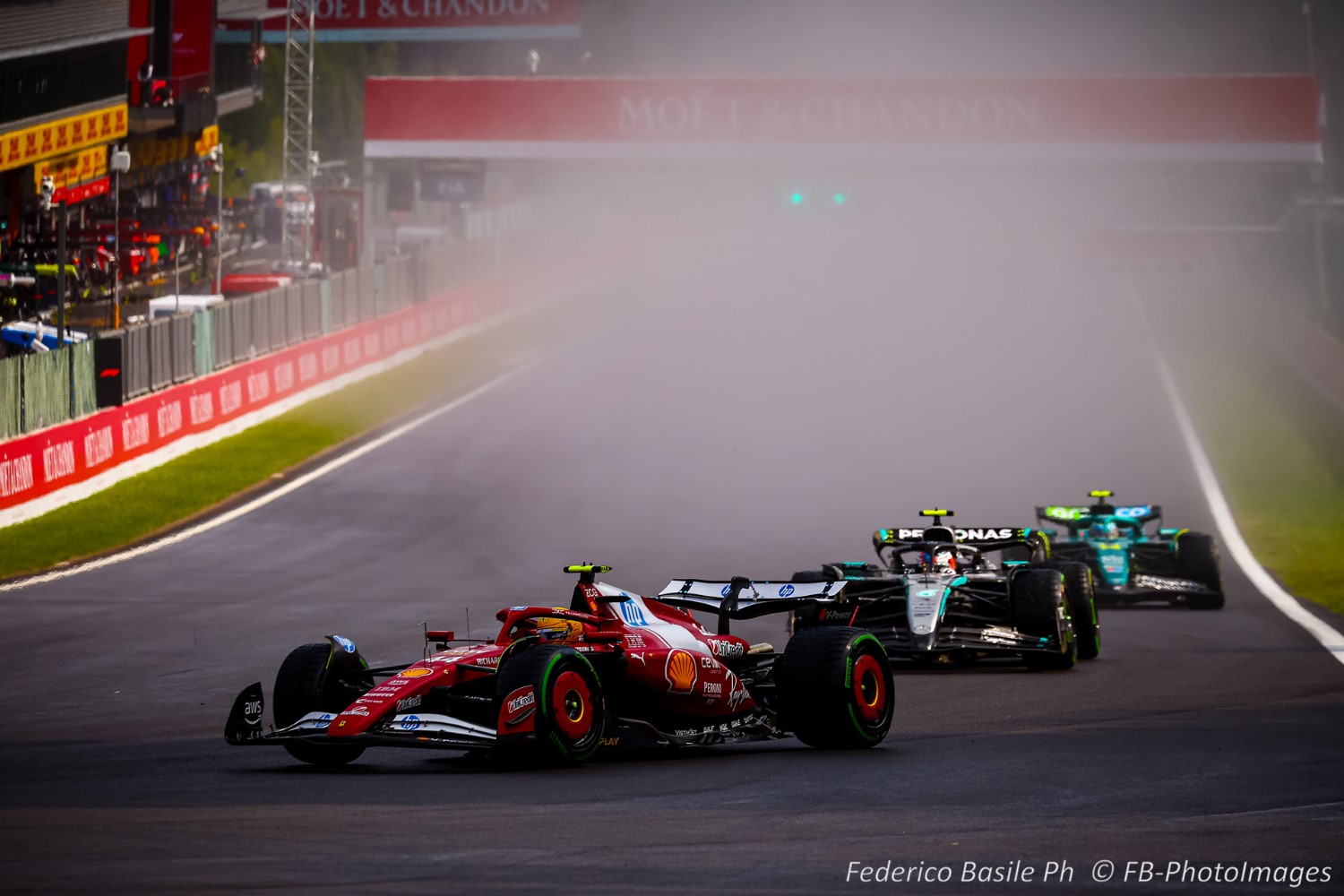
When forecasts change, markets respond. Drivers known for strong performances in mixed conditions often see their prices tighten. Others drift if their setups have historically struggled in the wet.
Weather doesn’t simply change lap times. It changes the outlook for the race as a whole.
Tire Strategy: Thinking Beyond One Lap
With Pirelli’s C1–C5 compound structure, strategy has become more layered. Each weekend features three compounds, typically soft, medium, and hard, selected according to the demands of the circuit.
Soft tires deliver peak grip but fade quickly. Hard compounds last longer but give up some immediate pace. Medium tires sit between the two.
The real challenge for teams isn’t identifying the fastest compound over a single lap. It’s choosing what works best over an entire race distance.
Friday practice often reveals the bigger picture. Some cars look sharp in qualifying trim but struggle once they string together 20 laps. Others maintain steady pace deep into a stint and protect their tires well.
Markets take this into account. A driver starting near the front who shows heavy degradation during long runs can see race-win odds ease slightly, even if qualifying suggested otherwise.
Over 50 laps, consistency can matter more than headline speed.
When Rain Enters the Picture
Rain remains the biggest variable in Formula 1.
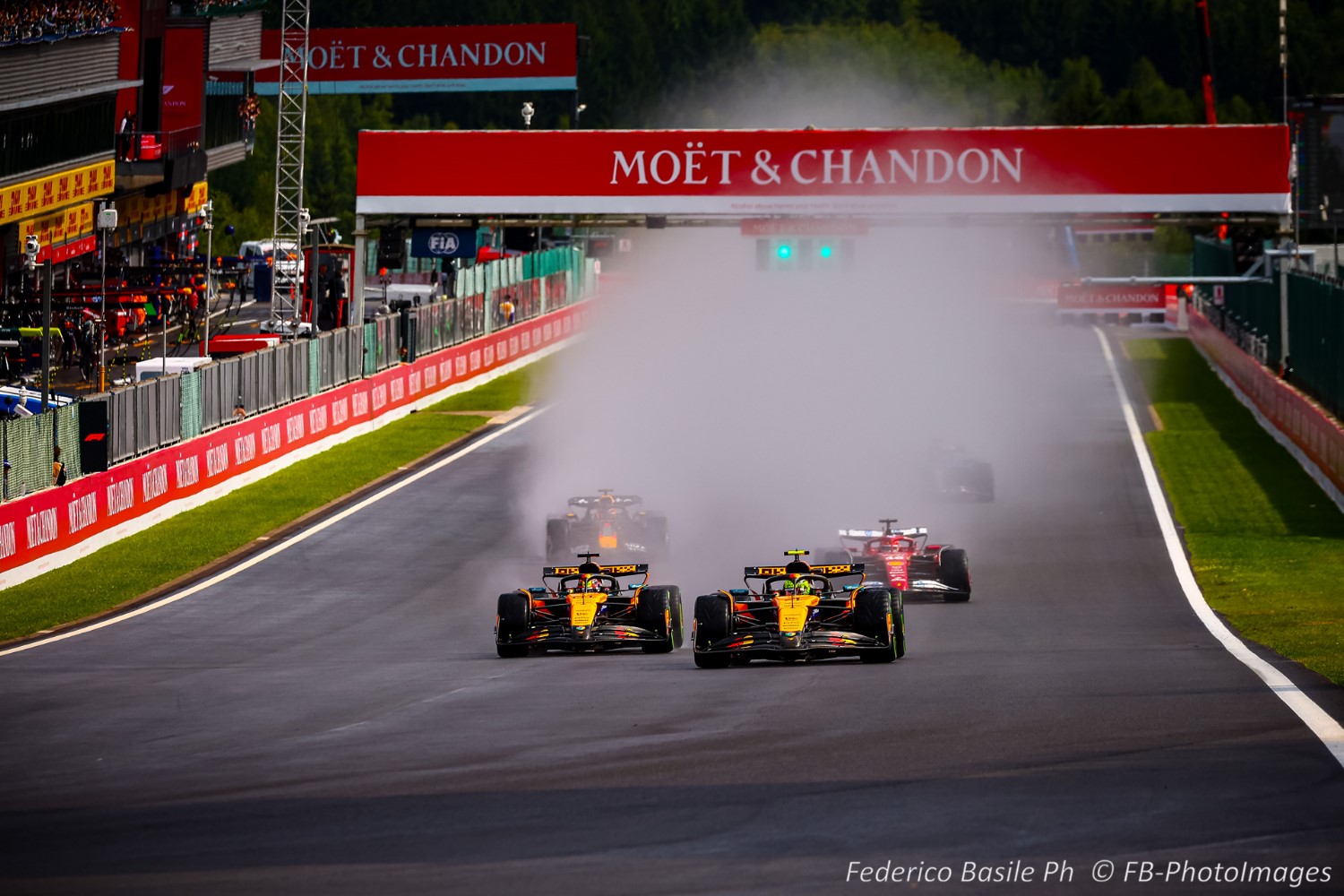
Even with improved intermediate and wet compounds, grip levels fluctuate and strategy becomes reactive. Safety cars become more likely. Pit timing grows more critical.
Certain drivers have built reputations for thriving in mixed conditions. If rain looks likely, their odds often shorten before the race begins.
Radar updates in the hours leading up to the start can trigger noticeable line movement. When wet conditions narrow performance gaps, sportsbooks adjust quickly.
Uncertainty naturally leads to volatility.
The Final 24 Hours Before Lights Out
Most significant odds movement tends to occur in the final day before the race.
Once qualifying wraps up and tire allocations are confirmed, attention turns fully to race pace projections. If long-run data points to higher-than-expected degradation, even a pole sitter may not remain the firm favorite.
Race-day temperature swings can also influence expectations. A modest drop in track temperature might help one team extend tire life while creating challenges for another that relies on aggressive warm-up.
For bettors, timing becomes important. Early wagers can sometimes secure better numbers before forecast updates are fully reflected in the market. Late wagers depend on reacting quickly once conditions stabilize.
Live pricing adjusts accordingly. On me bet, bettors can back the outright winner, target podium finishes, play driver head-to-head matchups, or look at fastest-lap and points-finish markets – all of which respond to updated weather models and tire strategy expectations. A late shift from dry to mixed conditions can quickly reshape those markets before the formation lap even begins.
The grid remains unchanged. The projected outcome does not.
Circuits Respond Differently
Each circuit reacts differently to weather and tire variables.
Silverstone’s high-speed layout increases tire stress. Monaco prioritizes track position. Singapore frequently introduces safety car interruptions. Bahrain’s abrasive surface accelerates thermal degradation.
Teams known for strong tire management often outperform expectations at high-wear venues. In recent seasons, long-run consistency has frequently separated genuine contenders from teams that rely primarily on qualifying pace.
When weather is layered onto those circuit characteristics, its influence becomes even more pronounced.
Real-Time Discussion and Market Reaction
Formula 1 now unfolds as much online as it does on track.
Fans follow radar projections, tire allocations, and practice trends throughout the weekend. Communities following motorsport-focused accounts, including MelBet Instagram Somalia, regularly discuss strategy options, potential rain scenarios, and last-minute changes.
As new information surfaces, expectations adjust quickly. Betting markets tend to reflect those shifts just as rapidly.
Data, Simulation, and Efficiency
Modern F1 teams rely on advanced simulations that model thousands of race scenarios under different temperature and degradation assumptions. Sportsbooks increasingly use similar data-driven approaches.
Markets have become more efficient as a result. Major weather developments still create meaningful line movement, but smaller updates are often absorbed quickly.
In many cases, the edge comes down to timing. Recognizing how a subtle temperature shift might influence tire warm-up before the broader market reacts can provide an advantage.
Understanding degradation patterns, pit stop averages, and historical safety car trends adds depth beyond the headline forecast.
Final Thoughts
Weather and tire strategy sit at the center of modern Formula 1 performance.
A brief rain shower or a modest temperature change can alter degradation patterns and reshape competitive order. Those same shifts ripple into betting markets, adjusting expectations in measurable ways.
In a sport decided by tenths of a second, compound selection and track conditions can matter as much as horsepower.
And the odds increasingly reflect that reality