
The clock is ticking: Domenicali on Next F1 Engine, and Where Does that Leave Cadillac?
As the 2026 Formula 1 season roars into life with an all-new generation of power units, the focus is already shifting to what comes next. F1 CEO Stefano Domenicali (pictured) has delivered a clear message: the sport and the FIA must decide on the next set of engine regulations this year. With long development lead times, billions in manufacturer investment already locked into the current 2026-2030 ruleset, and early signs of trouble in the new formula, the clock is ticking.
–by Mark Cipolloni–
Domenicali made the comments on April 16, 2026 to Autosport, stressing that the sport “cannot lose too much time” in charting the future. “We need to be robust enough to allow us not to be in a corner,” he said. “We need to decide as soon as possible… that’s something that this year we need to decide what could be next.”
He confirmed that F1 and the FIA will work together on the process, while respecting the heavy investments manufacturers have made since the 2026 regulations were first discussed back in 2021.
Under current governance, the 2026 power-unit regulations are locked in through the end of 2030. After that, the FIA has the authority to introduce an entirely new formula. But Domenicali’s call for a decision in 2026 reflects the reality that designing, testing, and homologating a competitive power unit takes years—often four or more. Manufacturers cannot afford to wait until 2029 or 2030 to begin work on whatever comes after 2030; they need clarity now to align road-car programs, allocate budgets, and avoid being left behind.
The 2026 regulations themselves—featuring a greater emphasis on electrical power (roughly 50/50 split with the internal combustion engine), advanced sustainable fuels, and more complex energy management—have already sparked debate and prompted early tweaks. Teams and the FIA are meeting urgently to address issues such as excessive energy-management demands and qualifying performance.
Some paddock voices are already floating ideas for simpler, lighter engines (potentially with more focus on the ICE and sustainable fuels) that could improve spectacle, reduce costs, and better align with shifting automotive priorities.
Why Cadillac’s strategy appears flawed
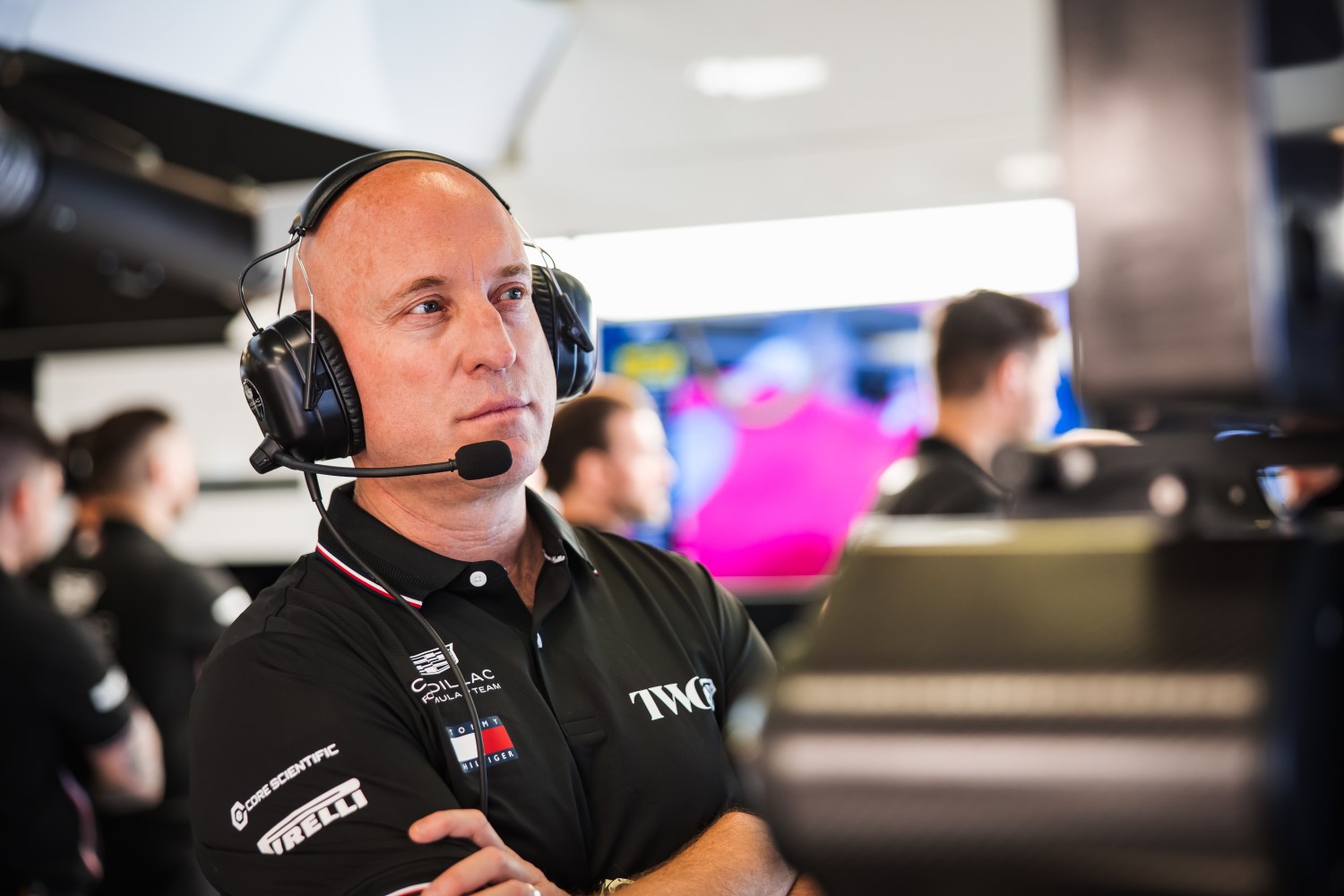
No team illustrates the high-stakes timing better than the new Cadillac F1 squad, backed by General Motors. Cadillac will join the grid in 2026 as Formula 1’s 11th team—but not with its own power unit. Instead, it has signed a multi-year customer deal to use Ferrari engines and gearboxes through at least 2028. GM’s own in-house power unit, developed by GM Performance Power Units LLC, is officially approved by the FIA and is on track to debut in 2029.
This approach appeared smart—and strategic, but is it? Designing, developing, and racing a brand-new F1 power unit from scratch is an enormous financial and technical undertaking. If Cadillac had tried to rush its own engine for a 2026 debut, that unit would have been homologated under the current 2026-2030 regulations and would likely have been competitive for only a handful of seasons before the next major regulatory overhaul. With Domenicali now pushing for a decision on the post-2030 formula this year, any engine launched in 2028 would become partially obsolete within just two years of full competition.
By contrast, continuing as a Ferrari customer through 2030 gives Cadillac time to:
– Build its team infrastructure and gain valuable on-track data.
– Closely monitor the direction of the next regulations.
– Develop its first in-house GM power unit with full knowledge of what the post-2030 rules might look like—potentially making it more future-proof and cost-effective in the long run.
Cadillac F1 CEO Dan Towriss has confirmed the 2029 target remains firm, with the project “ahead of schedule,” while the team benefits from Ferrari’s proven 2026-compliant technology in the interim. But does that make sense? No.
Why bother with their own engine that will only be good for 2029 and 2030, only to be scrapped after that? It’s a waste of money and would divert engineering attention away from the 2031 engine.
The Bigger Picture
The pressure to lock in the next regulations early is not just about Cadillac or GM. Every manufacturer—Ferrari, Mercedes, Audi, Honda, Red Bull Powertrains/Ford, and now GM—needs certainty to justify continued investment in F1. A rushed or poorly timed formula change risks alienating partners or leaving some teams at a permanent disadvantage.
Domenicali’s message is clear: F1 cannot afford to be reactive. With the 2026 season barely underway and the governance window closing in 2030, the sport must act decisively in 2026 to shape a power-unit future that is sustainable, exciting, and commercially viable. Whether the next rules bring lighter cars, simpler hybrids, or a bold return to more traditional combustion-focused engines, one thing is certain—the decision cannot wait. The engines of tomorrow are already being sketched on drawing boards today.