The USA F1 Boom: COTA vs. Miami vs. Las Vegas by the Numbers
The landscape of Formula 1 in the United States has recently undergone an incredible transformation as the popularity of the sport reaches unprecedented heights. The three key events that contribute the most towards this boom that we will be discussing here include the following:
- Circuit of the Americas (COTA): The Traditional Powerhouse
- Miami Grand Prix: Glitz and Glamour
- Las Vegas Grand Prix: The Economic Heavyweight
Together, these races showcase the diverse appeal of F1 in America.
For those interested in betting on these events, there are numerous opportunities available through the best Texas online casinos, many of which have highly competitive F1 betting odds and countless other markets to choose from.
With that said, let’s now dive straight in and take a closer look at the F1 boom in America to reveal how the numbers compare.
Circuit of the Americas (COTA): The Traditional Powerhouse
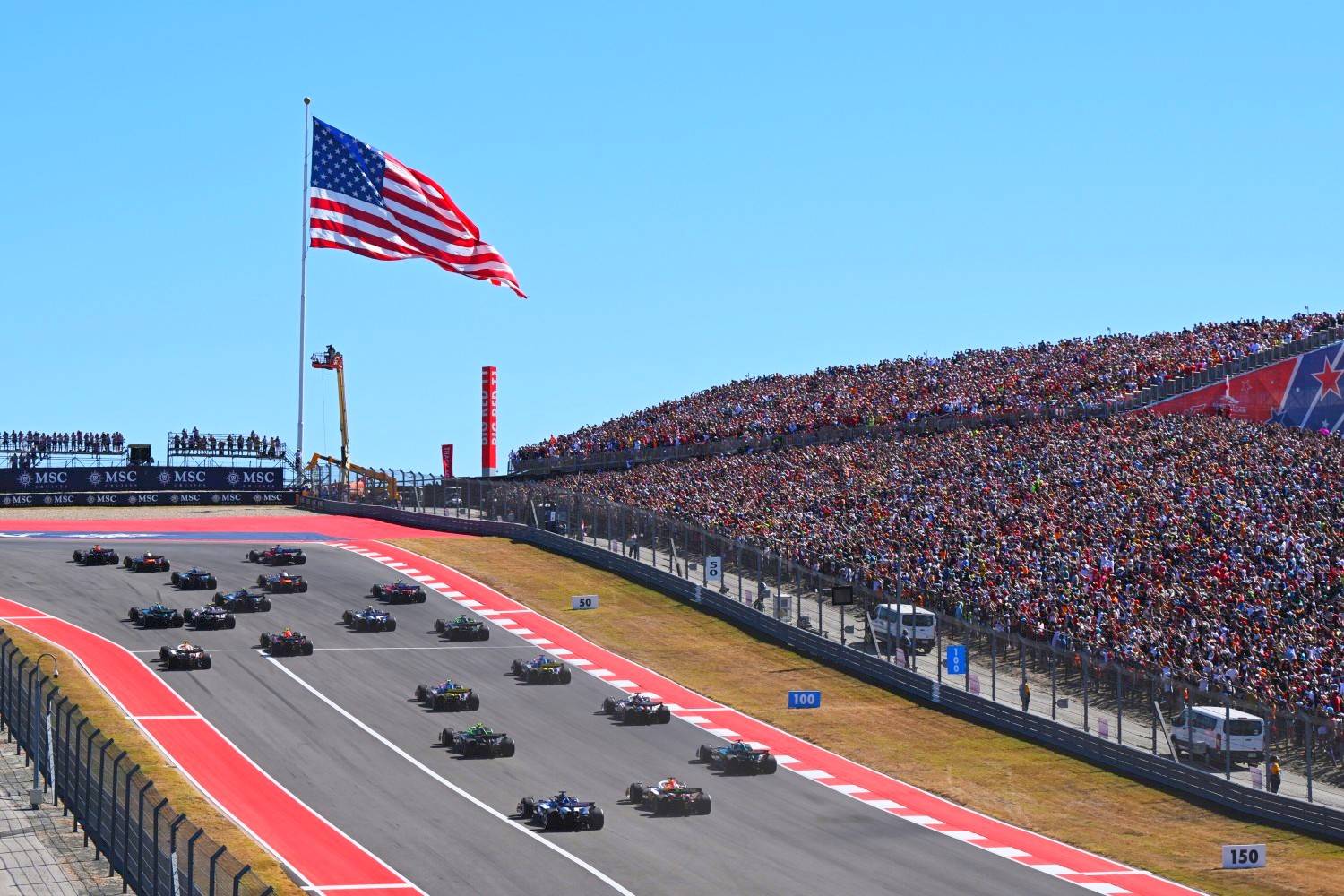
As the original American host of Formula 1 since 2012, COTA remains a fan favorite and has established itself as an essential part of the racing calendar. In 2023, COTA attracted 432,000 fans, a slight decrease from the 440,000 who attended in 2022. COTA’s economic impact exceeds $480 million, underscoring its significance as a key player in the American F1 scene.
What sets COTA apart is its purpose-built design that accommodates high-speed racing and creates an engaging festival atmosphere. It’s not just a race.
It’s an event where racing enthusiasts come together to celebrate their passion. COTA’s ability to bring large crowds together speaks volumes about the enduring appeal of traditional motorsport in the country.
Miami Grand Prix: Glitz and Glamour
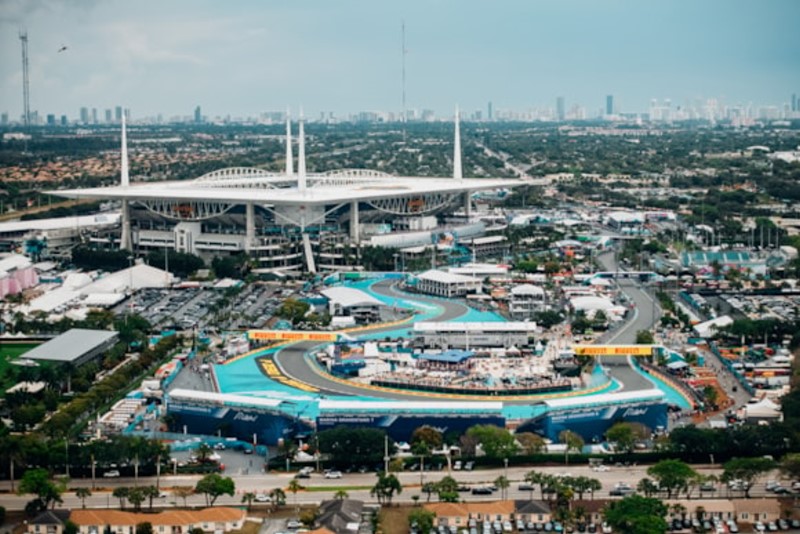
In contrast to the more traditional atmosphere of COTA, the Miami Grand Prix presents a unique blend of high-end hospitality and celebrity culture.
Attracting 270,000 attendees in 2024 (an increase from 240,000 the previous year), the Miami Grand Prix generates an economic impact estimated between $400 million and $500 million. This race not only caters to racing fans but also to luxury-seekers and socialites keen on the glamorous side of F1.
The event’s venue, featuring a ‘Hard Rock Beach Club,’ offers fans a taste of Miami’s famed nightlife scene, setting it apart from its competitors. The allure of celebrity attendance and exclusive events creates a unique environment where F1 and entertainment converge.
Therefore, while it may draw fewer fans than COTA, Miami successfully taps into a niche market that is equally lucrative.
Las Vegas Grand Prix: The Economic Heavyweight
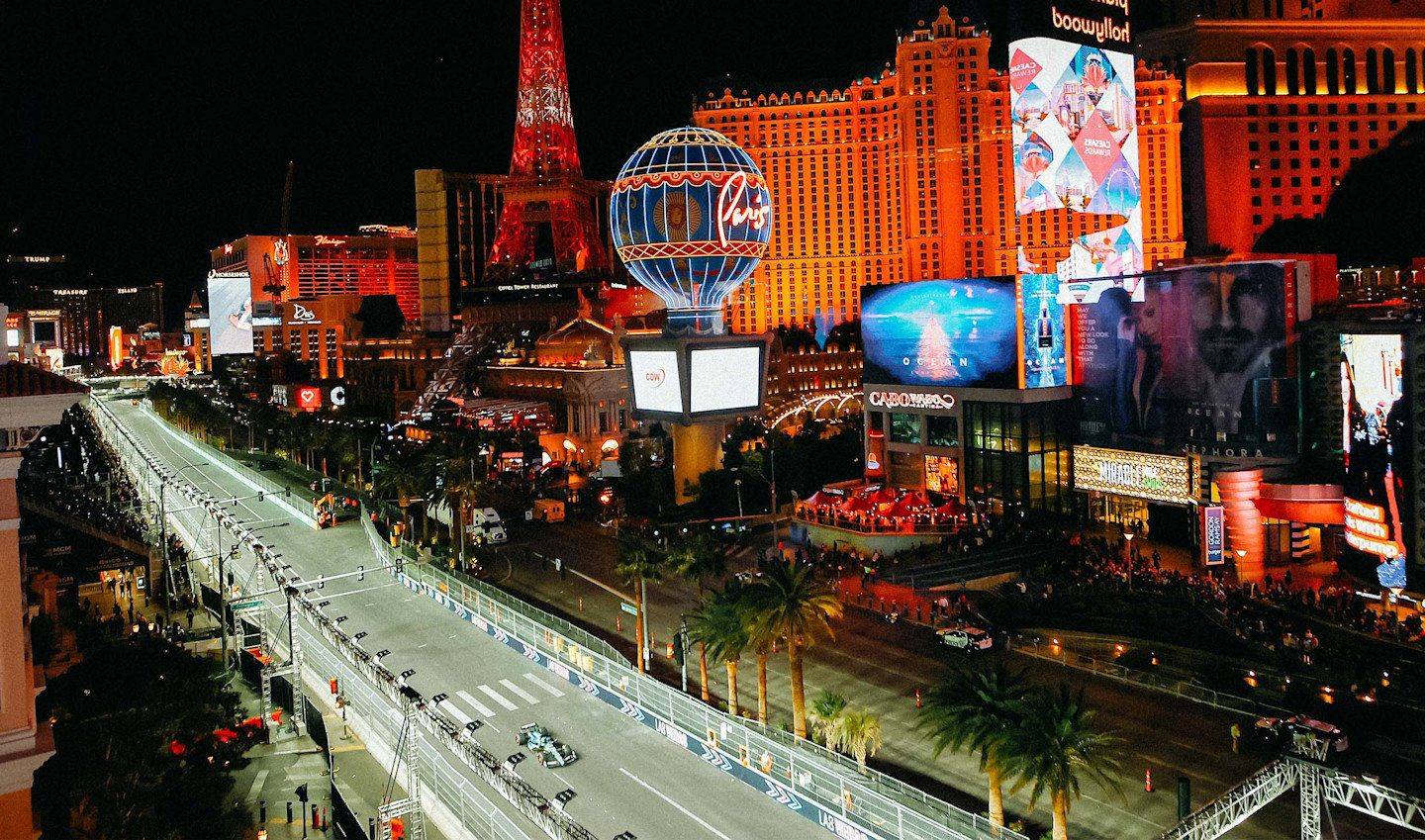
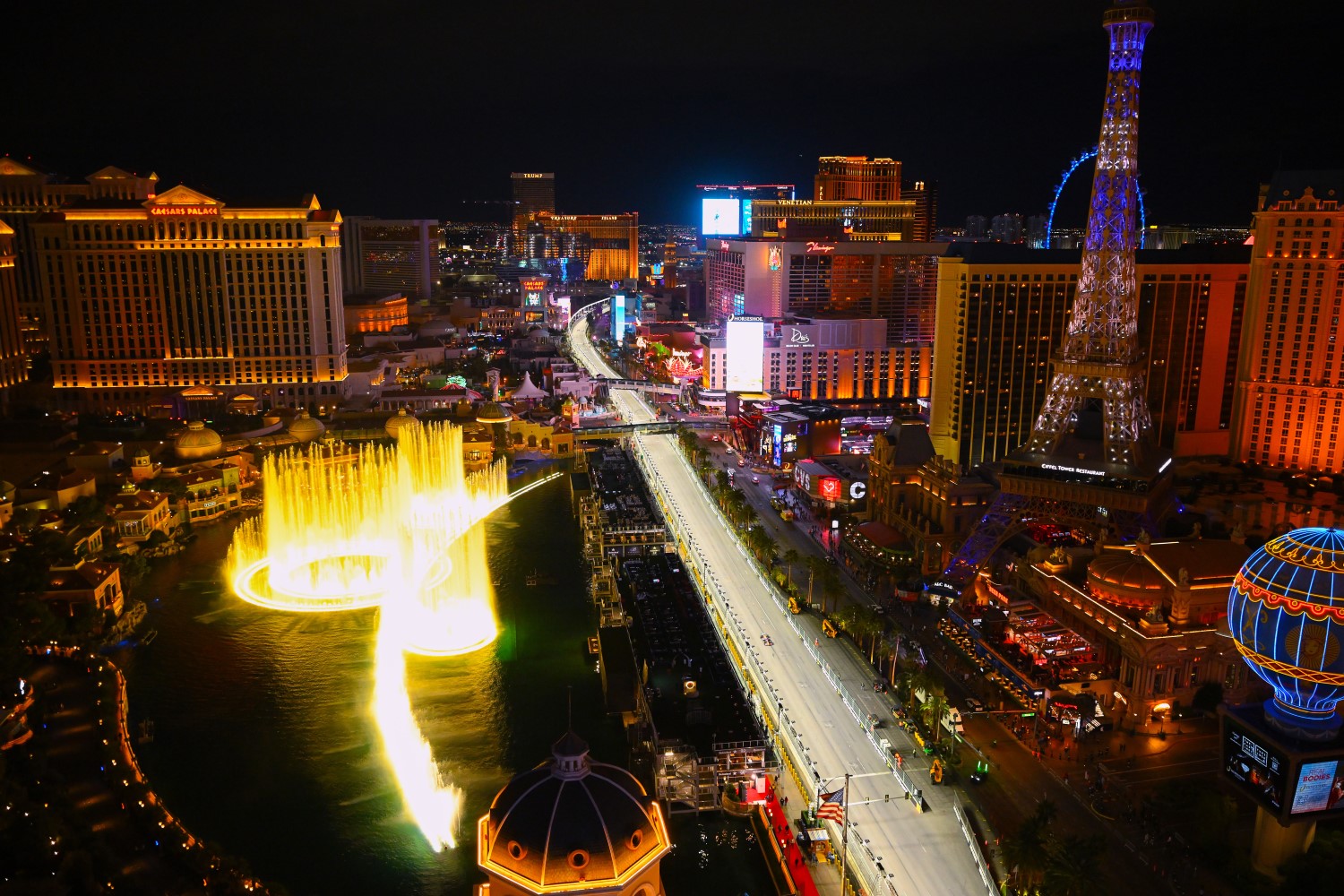
The Las Vegas Grand Prix marks a bold step into the future of American F1, combining high-stakes racing with a vibrant cityscape. Although it attracted 315,000 attendees over four days, its economic impact is estimated at a staggering $900 million—almost double that of COTA’s.
Las Vegas capitalizes on its renowned nightlife and tourism infrastructure, generating significantly more revenue per attendee compared to its counterparts.
As a nighttime street race, the Las Vegas Grand Prix offers a spectacle that showcases the elegance of Formula 1 against the backdrop of the famous Las Vegas Strip. The unique atmosphere and high revenues make it a remarkable contender in the US F1 scene, especially for those looking to place bets on the outcome in a bustling, vibrant setting.
Key Takeaways: Growth and Opportunities
The U.S. F1 fanbase now stands at an impressive 52 million, exhibiting an 11% year-on-year increase. This growth has translated into viewership success, with the 2025 season recording an average of 1.3 million viewers per race in the United States.
When comparing these three events, it’s worth highlighting that while Las Vegas has fewer attendees than COTA, its economic impact is significantly higher.
This suggests a shift in how fans experience F1 in the US and indicates opportunities to capitalize on this boom, particularly for bettors looking to engage with the sport through various online platforms.
Final Thoughts
The American Formula 1 boom is marked by the distinct contributions of COTA, Miami, and Las Vegas, each attracting different audiences while generating significant revenue for the local economies.
As interest in F1 continues to grow, the differences between these events present unique opportunities for fans, bettors, and stakeholders alike. The future of Formula 1 racing in the US looks promising, with each city offering its own flavor of high-speed racing, ensuring that fans have multiple avenues to enjoy and invest in this exhilarating sport.