Automotive News: Porsche Got ‘Woke’ and Lost Its Shirt
In the high-stakes world of luxury automaking, few brands embody raw performance and unapologetic indulgence like Porsche. For decades, the Stuttgart-based icon has thrived on engineering masterpieces powered by roaring combustion engines—the kind that make hearts race and environmentalists seethe.
–by Mark Cipolloni–
But in recent years, Porsche decided to go “woke,” swallowing the Green New Deal narrative hook, line, and sinker. They bet big on an electric future, aiming for an aggressive shift to battery-powered vehicles that would supposedly save the planet while padding their profits.
Spoiler alert: It backfired spectacularly. A €4.7 billion writedown in 2025 wiped out 98% of their operating profits, turning a once-unbeatable profit machine into a cautionary tale of virtue-signaling gone wrong.
The All-In Bet on Electric Dreams
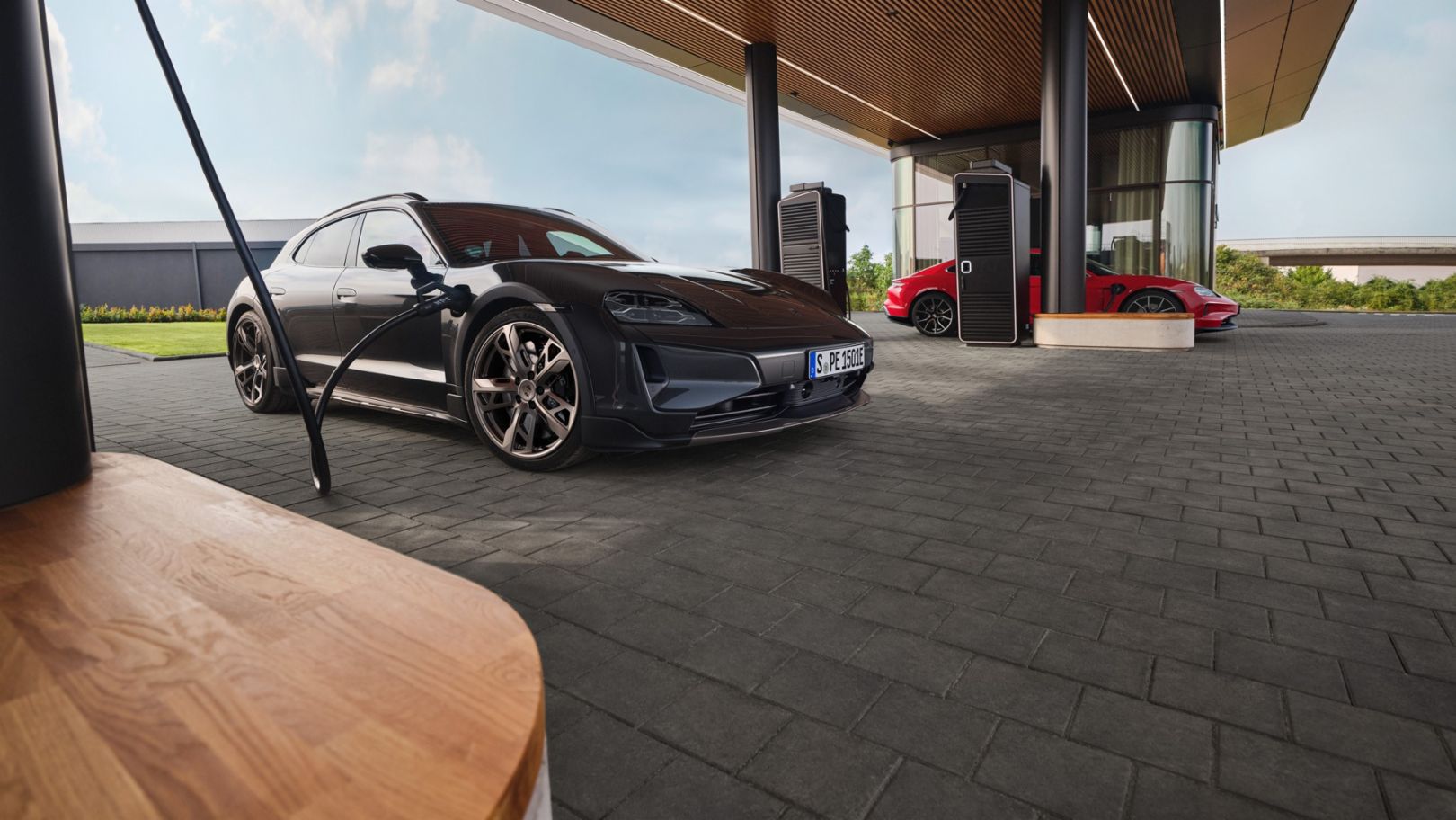
Porsche’s flirtation with electrification started innocently enough. The Taycan, their flagship EV launched in 2019, was hailed as a technological triumph—a sleek sedan that blended Porsche’s heritage with zero-emissions hype. Emboldened by early buzz and government mandates pushing the “green transition,” Porsche doubled down.
By 2024, they announced plans to make 80% of their lineup electric by 2030, including an all-electric Macan SUV and even an EV version of the beloved 718 Boxster and Cayman sports cars. This wasn’t just a pivot; it was a full-throated endorsement of the Green New Deal’s utopian vision, where fossil fuels are vilified and EVs are positioned as the only path forward.
Executives bought into the narrative that consumers were clamoring for battery-powered Porsches, ignoring warning signs from the market. They invested billions in new EV platforms, battery tech, and even flirted with in-house battery production. The Macan, Porsche’s best-seller, went fully electric for its second generation—a bold move that axed the petrol version entirely.
As former CEO Oliver Blume admitted in a candid interview, “We were wrong about the Macan.” But by then, the damage was done. Porsche had effectively bet the farm on a “sustainable” future that turned out to be anything but.
Market Reality Bites Back
The Green New Deal’s promises of a seamless EV takeover crashed headlong into reality. In China—Porsche’s largest market—domestic brands like BYD and Nio outpaced them with cheaper, tech-laden EVs, leaving the Taycan to gather dust on lots. Taycan sales plummeted 60% from their 2021 peak of 41,296 units to just 16,339 in 2025. In the US, tariffs on European imports hiked prices, while American buyers rediscovered their love for gas-guzzlers amid rising doubts about EV infrastructure and range anxiety.
Overall deliveries fell 10% in 2025 to 279,449 vehicles, with revenue dropping 12% to €32.2 billion. Porsche’s once-enviable operating margin—14.5% in 2024, the highest in the industry—collapsed to a pitiful 0.3%. Geopolitical tensions, supply chain snarls, and a global slowdown in EV demand exposed the fragility of their strategy. As one analyst put it, Porsche’s EV push was “a perfect storm” of overinvestment and underdelivery.
The writedown tells the full story: €2.7 billion in goodwill impairment for slashed earnings forecasts, plus €2.0 billion to scrap an all-electric platform meant for the next decade. These weren’t cash outflows but accounting acknowledgments of failure—sunk costs from years of EV R&D now deemed worthless. Parent company Volkswagen Group felt the pain too, with net profits down 44% to €6.9 billion and plans to axe 50,000 jobs by 2030.
The Humiliating Pivot and Leadership Shakeup
Faced with disaster, Porsche hit the brakes on its EV ambitions. The 80% EV goal by 2030? Scrapped. The electric 718? Potentially canceled amid development delays and platform woes. Instead, they’re retrofitting EV architectures to support combustion engines and hybrids, a multi-billion-euro U-turn. A new hybrid SUV is slated for 2028 to fill the Macan gap, and even the Taycan might merge with the Panamera into a single model line by 2027.
Leadership paid the price. Blume stepped down as Porsche CEO (while retaining his Volkswagen Group role), replaced by Michael Leiters, ex-McLaren chief, who inherits a brand in “utter crisis.” Shares have tanked over 30% in the past year, and job cuts loom at Porsche itself—around 3,900 positions.
A Lesson in Green Hubris
Porsche’s debacle isn’t just a business blunder; it’s a rebuke to the forced march toward electrification peddled by politicians and activists. The Green New Deal’s lies—endless subsidies, mandates, and doomsday climate rhetoric—lured companies like Porsche into a trap. They chased “sustainability” at the expense of what customers actually want: thrilling, reliable cars that don’t require hours at a charger.
As Porsche scrambles back to basics, the message is clear: Wokeness doesn’t pay. The market has spoken, and it’s demanding a return to what made Porsche great—uncompromised performance, not virtue-signaling batteries. If even a powerhouse like Porsche can’t make the EV dream work, what hope is there for the rest of the industry? Time to wake up before more shirts are lost.