Formula 1 Editorial: The Good, The Bad and the Ugly of the Current F1 Formula
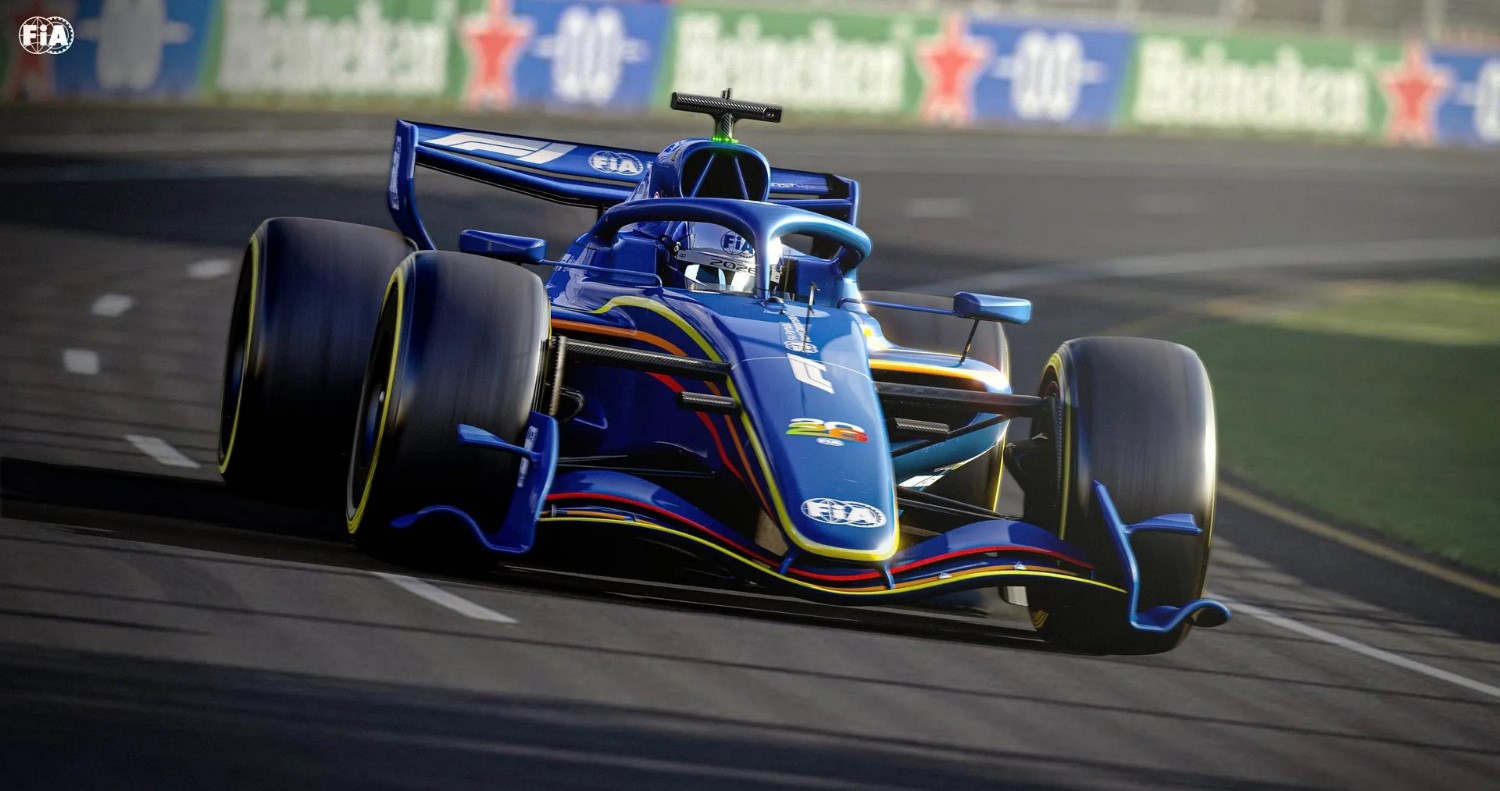
As the 2026 Formula 1 season unfolds, the sport finds itself at a crossroads with its latest regulatory overhaul. Introduced to enhance sustainability, excitement, and competition, the new rules emphasize smaller, lighter cars—30kg lighter and 10cm narrower—with engines boasting a near 50-50 split between internal combustion and electric power.
–by Mark Cipolloni–
Active aerodynamics, increased battery power, and an energy boost system replacing DRS aim to revolutionize overtaking and strategy. Yet, as races like the Chinese Grand Prix have shown, these changes have sparked debate among drivers, teams, and fans.
Drawing from recent events and expert analyses, this article dissects the positives, negatives, and downright concerning aspects of F1’s current formula.
The Good: Tactical Thrills and Renewed Competition
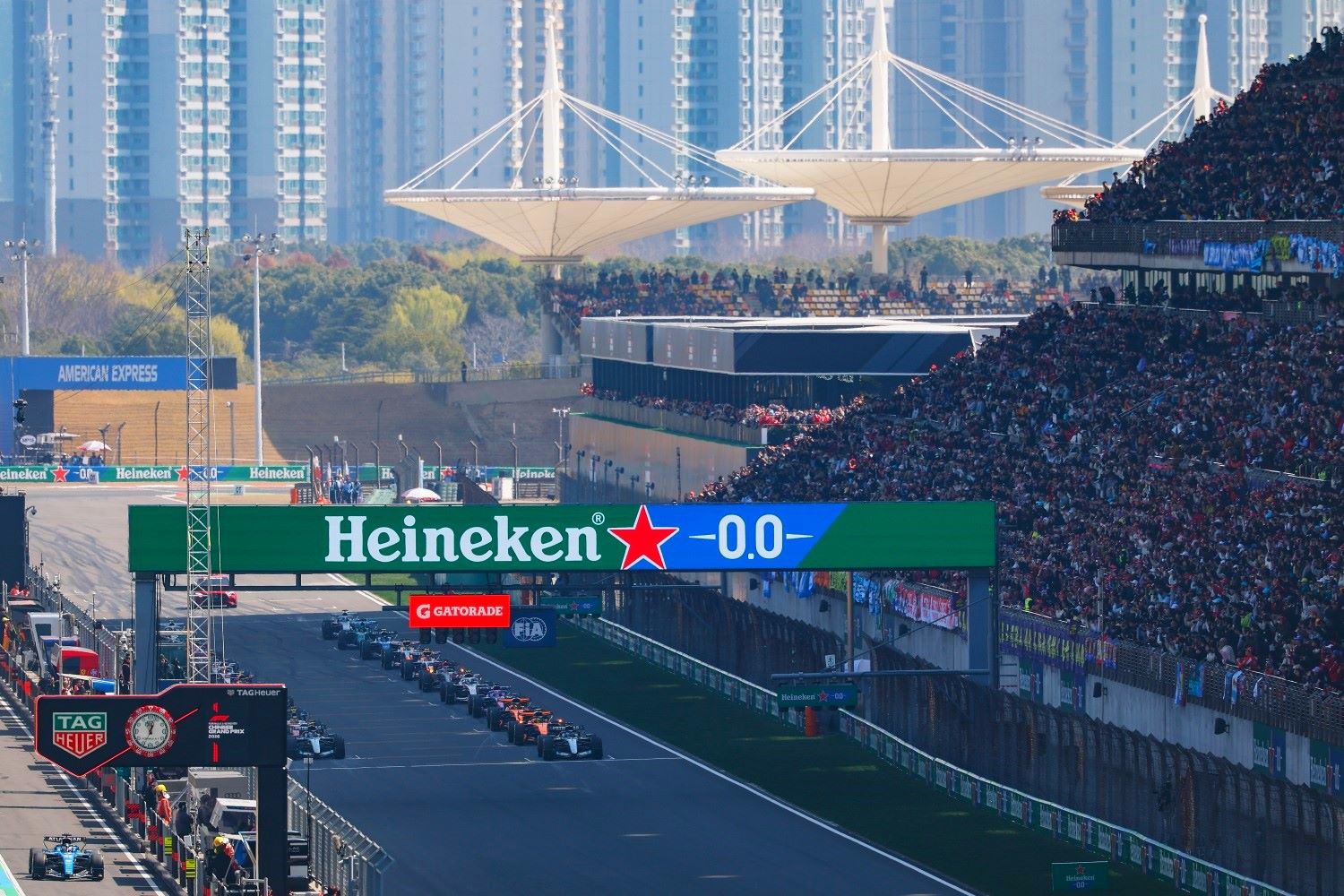
On the positive side, the 2026 regulations have injected a fresh dose of excitement into the racing. The emphasis on energy management and battery tactics has transformed races into strategic chess matches, expanding overtaking beyond mere slipstreaming. At the Chinese Grand Prix, fans witnessed a thrilling duel between Ferrari’s Charles Leclerc and Lewis Hamilton for the lead, keeping spectators on the edge of their seats with packed grandstands and dynamic battles.
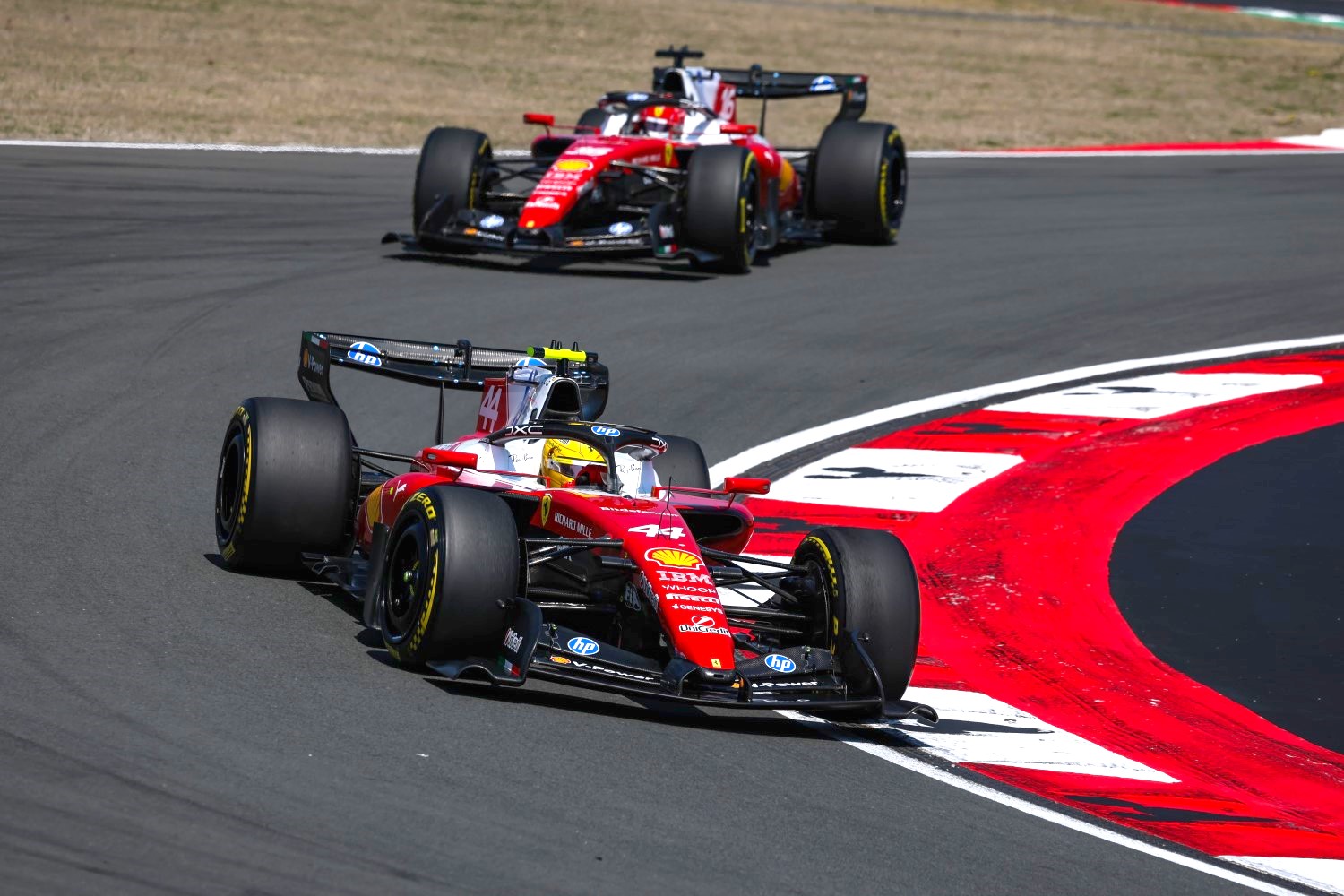
Teams like McLaren are leveraging these rules as a blueprint for recovery. After a double DNS in China due to power unit issues, team principal Andrea Stella highlighted how the 2023-2024 mindset of resilience and mid-season development could propel them forward. Upgrades targeting aerodynamic efficiency and downforce are already in the pipeline, positioning McLaren to climb from third-fastest to title contenders. The smaller, nimbler cars have also made a noticeable difference, fostering closer racing on tracks like Shanghai and aligning F1 with modern environmental goals.
Moreover, the regulations encourage innovation, with active aero allowing for more agile handling and potentially more varied car designs over time. Stefano Domenicali, CEO of Formula One Group, has praised the formula for its entertainment value, noting it suits certain circuits well and keeps the sport evolving for contemporary audiences.
The Bad: Artificial Overtakes and Growing Complexity
However, not all is rosy under the new regime. Drivers have voiced strong criticisms, arguing that the regulations make overtaking feel “fake” and overly reliant on battery boosts. Max Verstappen, in particular, has been vocal, likening the racing to “Mario Kart” where drivers boost past each other only to run out of energy and get repassed. “It is fundamentally flawed. It is painful. It will eventually ruin the sport,” he stated, warning that such mechanics diminish the skill of bold, authentic overtaking.

The complexity of the rules has also drawn ire, with some suggesting F1 has become too complicated for its own good. Toto Wolff of Mercedes countered driver complaints by emphasizing fan opinions over those of the pilots, but ambivalence persists about whether the regs will produce homogeneous cars despite promises of freedom in design.
Early testing in January 2026 braced for negative reception, and issues like “super clipping” have been noted as drawbacks, though not catastrophic. Power unit exploitation remains a challenge, as seen in McLaren’s Chinese no-show, highlighting how the formula demands constant adaptation that not all teams can master quickly.
The Ugly: Overlooked Safety Risks at the Start
The most alarming aspect of the 2026 formula lies in the starting procedures, where the removal of a key hybrid power element has led to inconsistent launches and near-misses. Safety concerns are mounting, as cars stalling or dropping into anti-stall mode create hazardous closing speeds. Max Verstappen hasn’t had a clean getaway yet this season, with depleted batteries in Melbourne and anti-stall issues in China mirroring Liam Lawson’s stall in Australia—averted only by Franco Colapinto’s quick reflexes.
A grim warning came from the Porsche Carrera Cup Asia race in China, where a stuttered start by polesitter Naquib Azlan triggered a chain reaction, destroying three cars and sending 60-year-old Francis Tjia into the Armco head-on. Historical tragedies, like the 1982 Canadian GP where Riccardo Paletti fatally collided with a stalled car, underscore the risks. Despite a five-second grace period for turbo spooling, these dangers are being overshadowed by overtaking debates, raising fears that a major accident might be needed to prompt changes.
Conclusion: A Formula in Flux
The 2026 F1 regulations offer a mix of innovation and intrigue, but they demand refinement to balance excitement with authenticity and safety. While tactical racing and sustainability shine as highlights, the artificial feel of overtakes and startline perils threaten the sport’s core appeal. As Domenicali and others prioritize evolution, addressing driver feedback and safety oversights will be crucial to prevent the formula from veering off track. Only time—and perhaps more races—will tell if these changes elevate F1 or require a pit stop for adjustments.